
Why Indoor Humidity Control Is Essential for a Healthier Home Environment
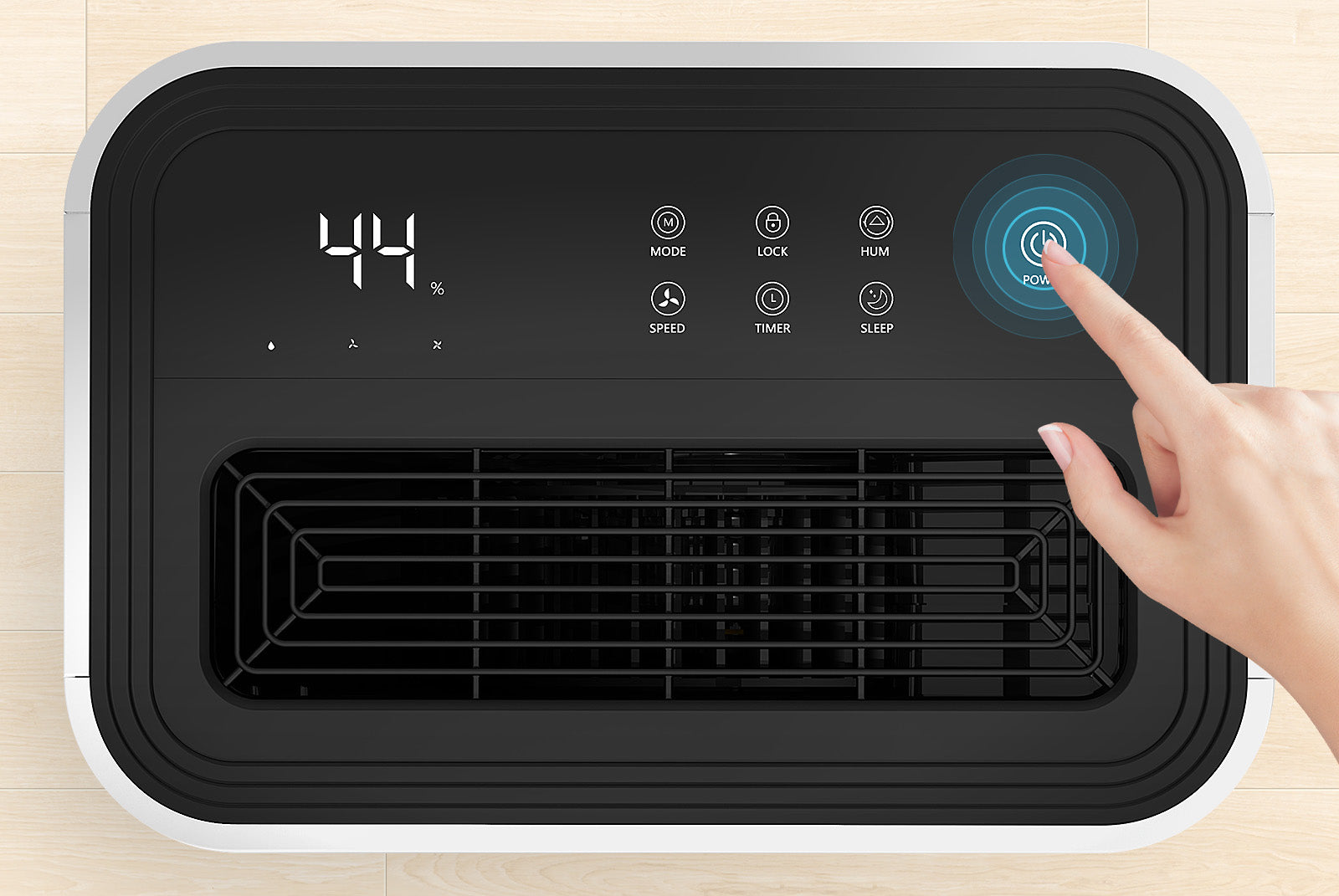
Most people focus on temperature when thinking about indoor comfort. If the house feels cool in summer and warm in winter, it seems like everything is working as it should. But temperature is only one part of the equation. Humidity levels inside the home play a major role in how comfortable—and healthy—your indoor environment actually feels.
When humidity is too high or too low, it can affect everything from air quality and sleep to the longevity of your home’s structure and HVAC system. Managing moisture levels properly helps create a balanced indoor environment that supports both comfort and wellbeing.
Understanding the Role of Humidity Indoors
Humidity refers to the amount of moisture in the air. Inside a home, this moisture can come from many everyday sources: cooking, showering, laundry, breathing, and even plants. Outdoor weather also influences indoor humidity, especially in warmer climates where moisture levels can stay elevated for long periods.
Ideally, indoor humidity should stay within a moderate range. When levels rise too high, the air feels heavy and sticky. When levels drop too low, the air can feel dry and irritating. Both extremes can cause problems that go beyond simple discomfort.
Maintaining balanced humidity helps your HVAC system operate more efficiently and allows your home to feel comfortable at normal thermostat settings.
The Hidden Problems Caused by Excess Humidity
High humidity inside the home often develops gradually, making it easy to overlook until noticeable symptoms appear. You might see condensation forming on windows, experience persistent musty smells, or notice rooms that feel damp even when the air conditioner is running.
Excess moisture can contribute to several issues, including:
- Increased risk of mold and mildew growth
- Dust mites thriving in damp conditions
- Musty odors that linger in rooms
- Warped wood flooring or furniture
- Condensation damage around windows and walls
- Reduced cooling efficiency from HVAC systems
When humidity is high, your air conditioner must work harder to remove moisture from the air while still cooling the space. This extra strain can lead to longer run times and higher energy consumption.
Why Humidity Also Affects Indoor Air Quality
Indoor air quality is closely tied to moisture levels. When humidity is balanced, airborne particles are less likely to accumulate and circulate through the home. But when humidity climbs too high, certain allergens and irritants can thrive.
Dust mites, mold spores, and other airborne particles tend to multiply more quickly in moist environments. This can lead to poor air quality that may trigger irritation, allergy symptoms, or general discomfort for occupants.
Lower humidity levels help reduce the conditions that allow these contaminants to spread. That is why controlling moisture is often considered one of the most practical steps homeowners can take to maintain a healthier indoor environment.
Signs Your Home May Have a Humidity Problem
Humidity issues do not always show up in obvious ways. Many homeowners notice small changes in comfort before realizing that moisture levels are the cause.
Common signs of indoor humidity imbalance include:
1. Sticky or muggy indoor air
If your home feels humid even with the air conditioner running, moisture levels may be higher than they should be.
2. Persistent musty odors
Damp environments often produce a lingering smell that tends to appear in basements, bathrooms, or poorly ventilated areas.
3. Condensation on windows or pipes
Water droplets forming on glass or metal surfaces are a strong indicator that indoor humidity is too high.
4. Allergy-like symptoms indoors
Frequent sneezing, irritation, or congestion may be linked to poor indoor air quality caused by excessive moisture.
5. Warping or moisture damage
Wood floors, trim, and furniture can react to elevated humidity levels over time.
Recognizing these signs early allows homeowners to address humidity problems before they affect the overall condition of the home.
The Connection Between HVAC Systems and Moisture Control
Your heating and cooling system plays a larger role in humidity control than many people realize. While air conditioners remove some moisture during the cooling process, they are not always designed to handle severe humidity issues on their own.
Factors that influence indoor humidity control include:
- Proper AC system sizing
- Airflow balance throughout the home
- Clean filters and coils
- Ventilation performance
- Whole-home dehumidification systems
If any of these components are not functioning properly, humidity levels can rise even when the air conditioning system appears to be working.
For homeowners who want to better understand solutions that address these challenges, learning more about humidity control for healthier indoor air can provide helpful insight into how HVAC systems and dedicated moisture-management solutions work together.
Practical Ways to Improve Humidity Balance
There are several steps homeowners can take to help maintain healthy humidity levels throughout the year. While professional solutions may sometimes be necessary, everyday habits also make a difference.
Here are a few effective strategies:
- Use bathroom and kitchen ventilation fans during activities that generate moisture.
- Replace HVAC filters regularly to maintain proper airflow.
- Keep air vents open and unobstructed throughout the home.
- Monitor humidity levels with a hygrometer to understand how conditions change over time.
- Schedule routine HVAC maintenance to ensure systems operate efficiently.
- Consider whole-home dehumidification solutions if moisture levels remain high.
These simple practices can help stabilize indoor moisture levels and improve overall comfort.
Creating a More Comfortable and Balanced Living Space
Humidity often works quietly in the background of everyday life, but its effects can be significant. When moisture levels are too high, homes can feel uncomfortable, air quality may decline, and cooling systems must work harder than necessary. Over time, this imbalance can affect both the structure of the home and the wellbeing of its occupants.
By paying attention to humidity and addressing problems early, homeowners can create a more stable indoor environment. Balanced humidity supports better comfort, improved air quality, and more efficient HVAC performance.