
Why Choosing Preferred Automotive Specialists Matters for Vehicle Maintenance
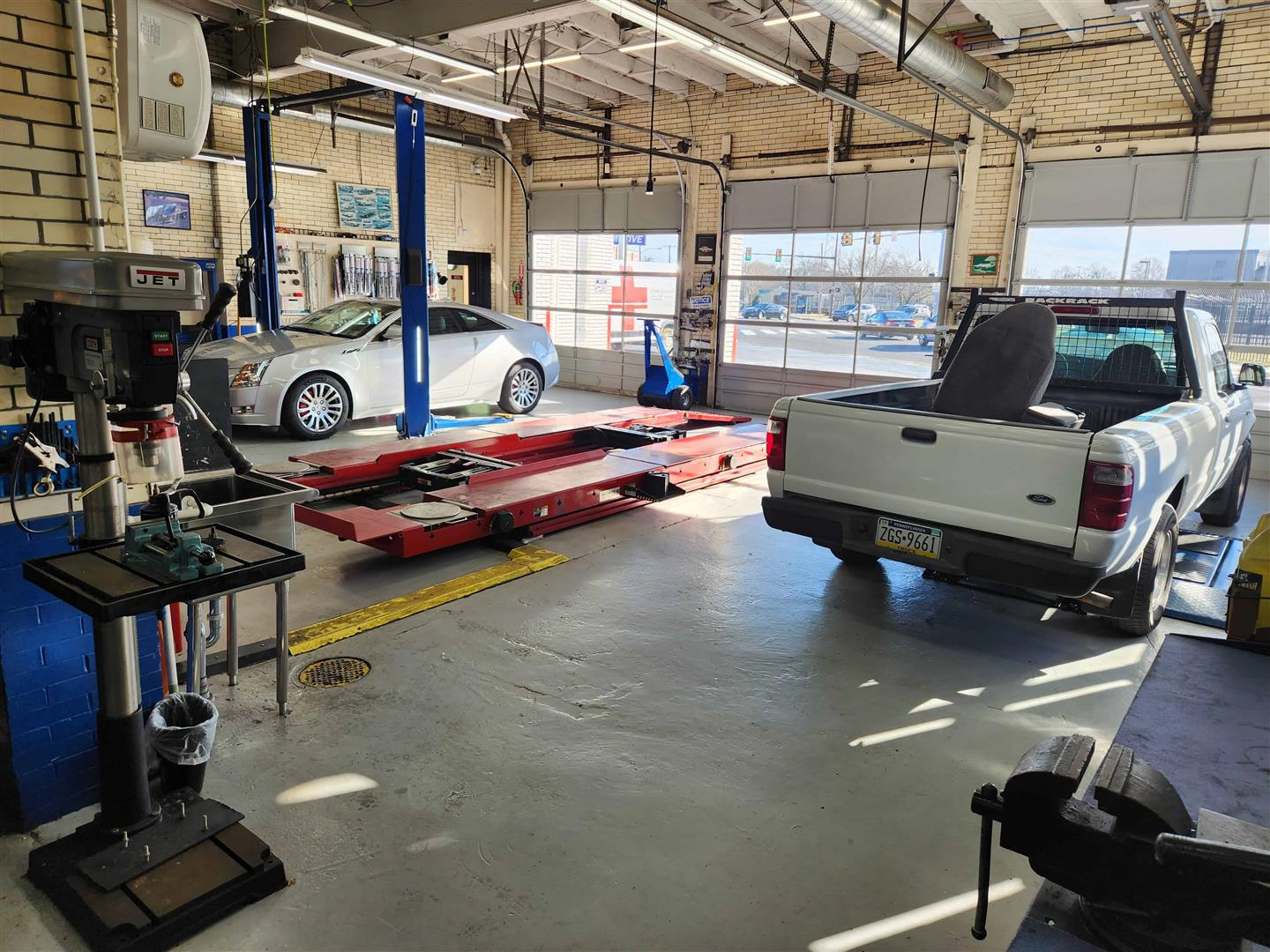
Regular vehicle maintenance is essential for keeping a car safe, reliable, and efficient. Every vehicle contains multiple systems that work together, including the engine, transmission, brakes, suspension, cooling system, and electrical components. When one component develops a problem, it can affect the performance of other systems and potentially lead to expensive repairs. Professional maintenance helps identify these concerns early and keeps vehicles operating as intended.
Choosing Preferred Automotive Specialists gives vehicle owners access to appropriate diagnostic methods, technical knowledge, and practical maintenance recommendations. Instead of waiting for a breakdown, drivers can follow a planned service schedule that addresses wear and tear before it becomes a serious concern. This proactive approach supports dependable transportation and helps preserve the vehicle’s long-term value.
Benefits of Choosing Experienced Automotive Specialists
Not every vehicle problem has an obvious cause. A warning light, unusual noise, or sudden change in fuel economy may indicate several possible issues. Skilled technicians can evaluate these symptoms, inspect relevant components, and determine which repairs are necessary.
Accurate Vehicle Diagnostics
Modern vehicles use electronic sensors and computer-controlled systems to monitor performance. Professional diagnostic equipment helps technicians retrieve fault codes and examine information from different vehicle systems. However, a code does not always identify the exact faulty component. Experienced specialists combine diagnostic results with physical inspections and testing to find the underlying cause.
Accurate diagnosis helps prevent unnecessary part replacements and allows vehicle owners to make better decisions about repair costs. It also reduces the likelihood of recurring problems caused by incomplete repairs.
Personalized Maintenance Recommendations
Every vehicle has different service requirements depending on its age, mileage, condition, and driving environment. Automotive specialists can recommend suitable maintenance based on the manufacturer’s guidelines and the vehicle’s actual needs.
These recommendations may include oil changes, brake inspections, tire rotations, fluid replacements, battery testing, and engine servicing. Personalized maintenance helps owners prioritize essential work without spending money on services their vehicles do not currently require.
Improving Vehicle Safety and Reliability
Vehicle safety depends on properly functioning mechanical and electrical systems. Regular professional inspections help ensure that important components remain in suitable working condition, particularly for drivers who rely on their vehicles for daily commuting or family transportation.
Maintaining Reliable Braking Performance
Brakes are among the most important safety components in any vehicle. Brake pads, rotors, calipers, and hydraulic parts experience wear through normal use. Warning signs such as grinding sounds, squealing, vibration, or a soft brake pedal should never be ignored.
Automotive specialists can inspect brake components, identify worn parts, and recommend appropriate repairs. Timely attention helps maintain dependable stopping performance and reduces the risk of additional damage to the braking system.
Inspecting Tires and Suspension Components
Tires provide traction and influence steering, braking, and driving comfort. Incorrect tire pressure, uneven tread wear, and damaged tires can compromise vehicle handling. Suspension problems may also cause excessive bouncing, unusual noises, or reduced stability.
Professional inspections help identify these concerns and determine whether tire replacement, wheel alignment, balancing, or suspension repairs are needed. Maintaining these systems supports a smoother driving experience and more predictable vehicle control.
Saving Money Through Preventive Maintenance
Preventive maintenance can help reduce the likelihood of expensive mechanical failures. Small problems are often easier to address when discovered early. For example, a minor fluid leak may eventually cause overheating or damage to connected components if it remains unresolved.
Preventing Major Mechanical Problems
Routine inspections allow technicians to identify worn belts, deteriorating hoses, fluid leaks, and other developing issues. Replacing a worn component at the appropriate time can help prevent damage to more expensive systems.
Following recommended service intervals also supports engine health and transmission performance. Although maintenance requires an initial investment, it may reduce unexpected repair expenses and help extend the vehicle’s useful life.
Improving Fuel Efficiency
Poor tire pressure, restricted air filters, worn ignition components, and certain engine problems can affect fuel consumption. Automotive professionals can inspect relevant systems and recommend repairs or adjustments when necessary.
Maintaining the engine, tires, and other essential components helps the vehicle operate efficiently. Drivers can further support fuel economy by avoiding aggressive acceleration, keeping tires properly inflated, and removing unnecessary weight from the vehicle.
What to Look for When Selecting Automotive Specialists
Choosing a repair professional requires more than comparing prices. Vehicle owners should consider technical experience, communication, service transparency, and the ability to explain repair recommendations clearly.
Clear Estimates and Honest Communication
A reliable repair provider should explain the identified problem, describe the recommended solution, and provide an estimate before beginning significant work. Written estimates help customers understand labor charges, replacement parts, and any additional expenses.
Technicians should also explain which repairs require immediate attention and which services can be scheduled later. Clear communication makes it easier for drivers to prioritize safety-related concerns while managing their maintenance budgets.
Consistent Service and Maintenance Records
Maintaining detailed service records helps track completed repairs and upcoming maintenance requirements. Records can include oil changes, tire replacements, brake work, battery testing, and other important services.
Automotive specialists can use this information to understand the vehicle’s history and make better maintenance recommendations. A consistent service relationship may also help technicians recognize recurring issues and monitor changes in vehicle performance over time.
Finding Suitable Automotive Repair Services
Vehicle owners should select a repair provider that offers the services their vehicles require and communicates professionally throughout the repair process. Checking customer feedback, asking about technician qualifications, and reviewing warranty policies can help drivers evaluate their options.
For drivers researching Auto Repair in Oak Lane, PA, comparing service offerings, diagnostic capabilities, written estimates, and customer support can help identify an appropriate repair provider. Asking questions before authorizing work also helps ensure that recommended repairs match the vehicle’s condition and the owner’s priorities.
Frequently Asked Questions
How often should a vehicle receive professional maintenance?
Maintenance frequency depends on the vehicle’s make, age, mileage, and operating conditions. Following the manufacturer’s service schedule is the best starting point. Drivers should also arrange inspections whenever they notice unusual noises, warning lights, leaks, or changes in performance.
Why is preventive maintenance important?
Preventive maintenance helps identify wear and developing mechanical problems before they become more serious. Regular servicing can improve reliability, support fuel efficiency, maintain safety, and reduce the risk of unexpected breakdowns.
How can I recognize a trustworthy automotive specialist?
Look for clear communication, detailed estimates, relevant technical experience, transparent pricing, and explanations of recommended repairs. A trustworthy professional should answer questions and request approval before proceeding with additional work.
Can regular maintenance help extend vehicle life?
Yes. Following recommended service intervals, maintaining proper fluid levels, inspecting tires and brakes, and addressing problems promptly can help reduce unnecessary wear. These practices support long-term reliability and may help preserve resale value.
Should I visit a specialist if my dashboard warning light appears?
Yes. Warning lights can indicate anything from a minor maintenance requirement to a serious mechanical problem. Consult the owner’s manual and arrange appropriate diagnosis. If the warning indicates low oil pressure, overheating, or another urgent condition, stop safely and follow the vehicle manufacturer’s guidance rather than continuing to drive.
Conclusion
Choosing qualified automotive professionals is an important part of responsible vehicle ownership. Accurate diagnostics, preventive maintenance, timely repairs, and clear communication help drivers protect their vehicles, maintain safety, and manage long-term ownership costs. By scheduling routine inspections and responding promptly to warning signs, vehicle owners can reduce the likelihood of unexpected breakdowns and enjoy greater confidence on the road. Working with Preferred Automotive Specialists can help drivers make informed maintenance decisions and keep their vehicles performing reliably over time.