
What Your Furry Friend Needs: A Guide to Responsible Pet Ownership
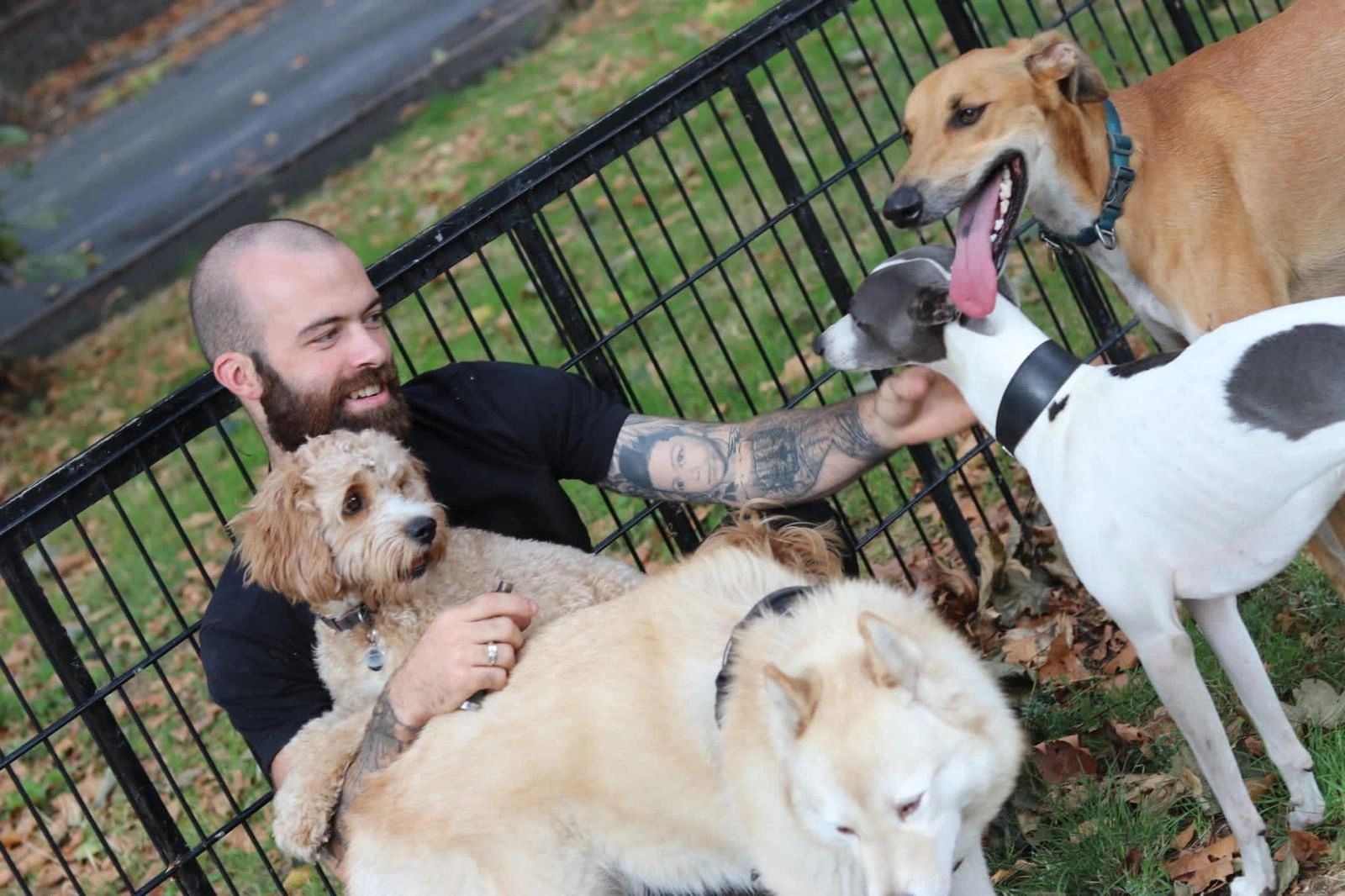
Whether it’s your first dog or the first of many, welcoming a dog into your life is a big step. What a rewarding journey it will be for you and your pooch extraordinaire. So, before you get too far into this commitment, there are a few things you should know and do to make sure your new BPF (best pet friend) thrives.
Healthcare: Your Pet’s Lifeline
Your veterinarian will become your pet’s healthcare hero, and honestly, yours too. Regular check-ups aren’t just recommended—they’re essential. Think of your vet as your pet’s primary care physician, dentist, and emergency responder all rolled into one.
When considering services for your furry friends, you’ll need to budget for annual wellness exams, vaccinations, and preventive treatments for fleas, ticks, and heartworms. Don’t forget about spaying or neutering, which not only prevents unwanted litters but can also reduce certain health risks. Emergency visits happen when you least expect them, so having a relationship with a trusted veterinary clinic before you need urgent care is smart planning.
Many pet owners also consider pet insurance to help manage unexpected medical costs. It’s worth researching options early, as most policies don’t cover pre-existing conditions.
Food
Your pet’s nutritional needs will evolve throughout their life. Puppies and kittens require different nutrients than senior pets. Quality matters more than price when it comes to pet food—you’re investing in your companion’s long-term health and energy.
Don’t guess at portion sizes. Your veterinarian can help you determine the right amount and type of food based on your pet’s age, weight, activity level, and any health considerations. Fresh water should always be available, and yes, those treat-filled training sessions count toward their daily caloric intake.
Grooming
Regular grooming keeps your pet comfortable and healthy. Brushing prevents matting and reduces shedding around your home. It also gives you a chance to check for unusual bumps, cuts, or skin issues.
Essential grooming services include:
- Trimming or grooming should be done every 6-12 weeks, depending on your pet’s coat type
- Regular nail trimming to prevent overgrowth and splitting
- Ear cleaning to prevent infections and wax buildup, especially in certain breeds (like Labs and Hounds)
- Dental care, including brushing and professional cleanings
- Seasonal treatments like de-shedding during heavy shedding periods
Some pets tolerate at-home grooming better than others—know your furry friend’s limits and when to call in the professionals.
Training and Socialization
Training isn’t about dominance—it’s about communication. You and your pet need to understand each other, and professional trainers can help bridge that gap. Basic obedience training makes life safer and more enjoyable for everyone.
Socialization is equally important, especially for young animals. Puppy kindergarten classes and controlled social experiences help your pet become a confident, well-adjusted family member. Even older pets can benefit from training refreshers or behavioral consultations.
The Extras That Matter
Pet sitting or boarding services will eventually become necessary when life takes you away from home. Research your options before you need them—your pet will be more comfortable with familiar caregivers.
Consider pet supply stores as partners in your journey. Staff at quality pet retailers can offer advice on everything from the right leash for your dog’s size to puzzle toys that keep your cat mentally stimulated.
Your Commitment, Their Joy
Responsible pet ownership isn’t about perfection, but rather about commitment. You don’t have to go out and buy all the expensive toys or services, but they do need consistency, routine, and love. You’re surely up to the task!