
What Modern Skylines Are Really Made Of
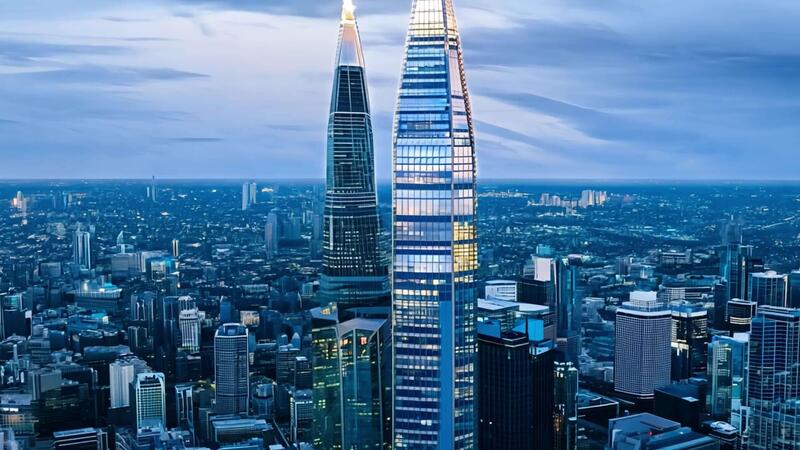
Modern city skylines, with their towering spires and sleek designs, showcase human ingenuity and evolving construction techniques. This article explores the materials and technologies that make these architectural marvels possible.
From Foundations to the Clouds
Every skyscraper starts with the earth beneath it. The foundational materials dictate a building’s height, stability, and longevity. Modern engineers rely on:
- Reinforced Concrete
Mix water, aggregate, and cement with smart engineering, and you get a formidable base for any high-rise. Reinforced with rebar and other composite bars, today’s concrete formulations offer the compressive strength and flexibility required to withstand not only the building’s weight but also wind and seismic activity. The ability to pour concrete in custom molds also allows for creative shapes and sweeping curves that define many city skylines.
- Composite Materials
Innovations have led to the use of advanced composites which pair the strengths of multiple materials. Fiber-reinforced polymers and hybrid blends create lightweight, ultra-strong building blocks that can be pre-fabricated offsite and assembled quickly. These composites, alongside materials provided by steel suppliers like those in Salt Lake City, provide impressive strength-to-weight ratios, helping achieve taller and more complex forms.
The Iconic Glass Curtain
More than just a symbol of modernity, glass has become a critical material for both the appearance and performance of skyscrapers. Advances in manufacturing have vastly improved glass’s versatility, insulation, and safety features.
- High-Performance Glass
Today’s glass can do so much more than just reflect the sky. Double-glazed and triple-glazed options boost thermal insulation and acoustic performance, while low-emissivity (low-E) coatings help manage heat transfer, keeping interiors comfortable year-round. Self-tinting glass dynamically adjusts to sunlight, shielding offices from excessive glare and heat.
- Structural Glass Systems
It’s not just for windows anymore. Architects now use glass structurally, creating transparent facades, skywalks, and dramatic lobbies. High-strength laminated and tempered panels allow for broad, uninterrupted expanses of glass, connecting interior spaces with the surrounding environment. These systems contribute significantly to the signature look of modern cityscapes.
Aluminum and Its Modern Counterparts
If you’ve admired the gleam of window frames or the soaring crown of a high-rise, you’ve likely noticed the subtle ubiquity of aluminum and similar alloys.
- Cladding and Facade Systems
Aluminum and other non-ferrous metals offer corrosion resistance and malleability, making them ideal for cladding that is lightweight and durable. These materials can be shaped into intricate patterns and finished in almost any color, giving architects free rein to realize their boldest ideas while protecting the building from harsh weather.
- Composite Panels
Materials like aluminum composite panels (ACP) sandwich a lightweight core between two metal sheets, creating visually stunning and functionally resilient exterior surfaces. These panels are chosen for their ease of installation, aesthetic flexibility, and ability to meet stringent fire and durability standards.
Smart Materials and Sustainable Advances
Sustainability is no longer a buzzword; it’s at the heart of contemporary architecture. Many modern skylines incorporate eco-friendly materials and technologies designed to reduce environmental impact and promote long-term urban health.
- Photovoltaic Glass and Panels
Some of the world’s newest towers feature photovoltaic panels seamlessly integrated into their facades. These systems harvest solar energy right from the building’s exterior, reducing dependence on external power sources and contributing to cleaner city power grids.
- Green Roofs and Living Walls
Urban architects are increasingly bringing greenery above street level. Lightweight soils, drought-resistant plants, and advanced drainage systems have made it possible to grow gardens and even small forests atop skyscrapers. These green elements cool buildings naturally, filter city air, and soften the harsh lines of the urban landscape.
- Recycled and Biodegradable Materials
From reusing reclaimed concrete and glass, to experimenting with bioplastics and sustainable timbers, the modern skyline includes innovative materials that leave less of a footprint. Cross-laminated timber is gaining prominence in mid-rise construction, introducing warmth and carbon sequestration to the urban palette.
Engineering for Resilience
Beyond materials, technology now plays a pivotal role in making cities rise higher and safer.
- Seismic Dampers and Motion Control
Tall buildings in earthquake zones increasingly rely on tuned mass dampers, base isolators, and vibration-absorbing devices. These technologies help protect residents and maintain the structural integrity of these architectural giants during seismic events.
- Smart Facade Systems
Adaptive facades adjust to weather conditions, regulating light, air flow, and temperature in real time. These innovations reduce energy consumption and create more comfortable spaces, while maintaining a building’s visual identity.
Conclusion
Modern skylines are the result of architects, engineers, and material scientists working together, blending tradition with innovation. From reinforced concrete to engineered glass, each material contributes to these towering symbols of human ambition. As technology evolves, our cities will continue to showcase the possibilities of creativity and engineering.