
How the US Dollar to Thai Baht Exchange Shapes Everyday Life in Thailand
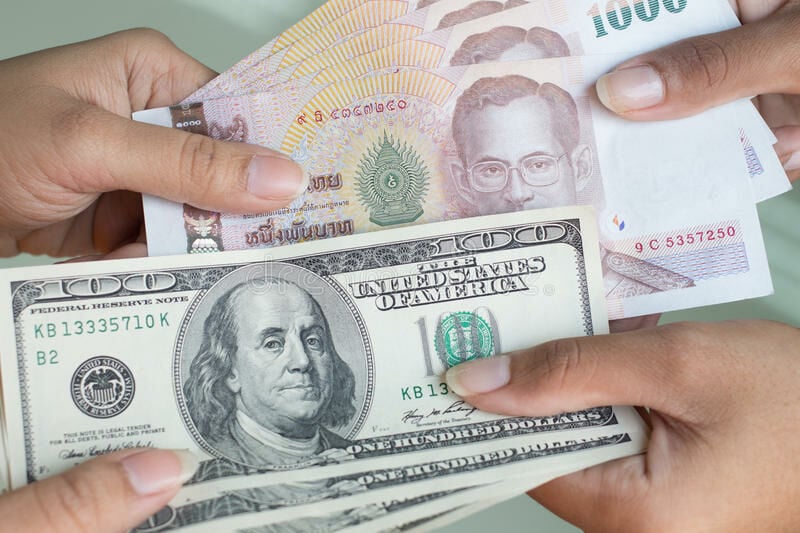
When people talk about travel or international business, they often mention exchange rates as if they’re background details. But the reality is quite the opposite. The us dollar to thai baht exchange rate quietly influences daily decisions for millions of people — visitors, residents, workers, and businesses across Thailand.
This exchange rate is more than a figure displayed by money changers. It’s a reflection of global economic movements, local market confidence, and shifting international relationships.
A Tale of Two Currencies
The US dollar (USD) is the world’s backbone currency — used in trade, global reserves, and financial markets. The Thai baht (THB), by contrast, is a regional currency with a strong role in Southeast Asia.
Yet, despite their difference in global scale, the baht has long been known as a resilient currency. Over the last two decades, it has strengthened during periods when many emerging-market currencies weakened.
Why? Thailand maintains high foreign reserves, a strong tourism sector, and tight financial oversight — factors that keep the baht stable even when global markets shift.
What Determines the USD/THB Exchange Rate?
Several forces constantly shape the us dollar to thai baht exchange value:
1. Tourism and Seasonal Activity
During high season, millions of travelers bring dollars into the country. Increased demand for baht can cause short-term movements. Conversely, low-season may tilt the balance in the opposite direction.
2. US Economic Policies
Interest rate decisions by the Federal Reserve are among the strongest drivers of USD/THB movements. When the Fed raises rates, the dollar often strengthens as investors move capital into dollar-based assets.
3. Thailand’s Export Performance
Thailand exports electronics, food products, and automotive parts worldwide. When exports surge, baht demand rises. Slowdowns, on the other hand, can weaken the currency.
4. Market Sentiment
Global uncertainties — elections, conflicts, recessions — tend to push investors toward safer currencies like the dollar. When this happens, emerging-market currencies, including the baht, often feel the pressure.
5. Bank of Thailand Oversight
The central bank monitors volatility to protect exporters and maintain smooth market conditions. While not controlling the rate directly, their actions can influence its stability.
Why the Exchange Rate Matters More Than Most People Realize
The USD/THB rate plays a role in everyday life:
- Travelers feel it when budgeting for food, hotels, or transportation.
- Workers in tourism and hospitality may feel impact when currency shifts influence visitor spending.
- Importers and exporters see profit margins change with even small fluctuations.
- Long-term residents from the US may see their living costs rise or fall depending on which currency is stronger that month.
A small move in the exchange rate can quietly affect everything from the cost of petrol to the price of electronics.
Why the Rate Rarely Stays Still
One of the interesting features of the us dollar to thai baht exchange rate is its constant movement. Even when the global outlook seems stable, the pair can shift based on daily trading volume, speculation, or economic announcements both in the US and Thailand.
Unlike fixed-rate systems, Thailand follows a managed float — allowing natural market movement but with oversight to prevent major shocks.
Keeping Yourself Informed
For travelers and residents alike, understanding the dynamics behind the USD/THB rate helps with planning and budgeting. Checking reliable sources — such as the rate updates available at us dollar to thai baht exchange — offers clarity on how the currency pair is moving at any moment.
Whether you’re preparing for a trip or managing business expenses, this knowledge can help you make more confident financial decisions.