
The Psychological Tricks Used in Color Prediction Games to Keep You Hooked
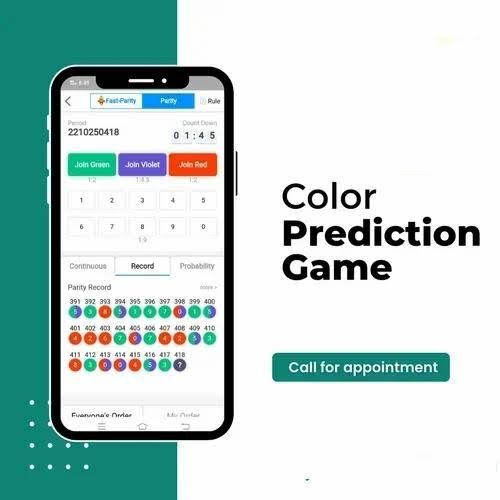
Online color prediction games have rapidly gained popularity for their simplicity and thrill. On the surface, these games appear straightforward—players predict the outcome of a randomly selected color, place their bets, and reap rewards if their prediction is correct. But beneath the surface lies a well-engineered system designed to keep players engaged and coming back for more. From clever design choices to subtle psychological manipulation, these games employ various tricks to capture and sustain your attention. Let’s take a closer look at how they work.
The Appeal of Color Prediction Games
Color prediction games attract players by offering instant gratification, minimal barriers to entry, and quick results. The gameplay is simple, requiring no prior knowledge or complex strategies. Players can jump in, make predictions, and experience the thrill of chance—all within a matter of seconds. However, the allure of these games goes far beyond convenience. Their design taps into core psychological mechanisms, keeping players engaged long after they’ve started.
Psychological Tricks That Keep You Hooked
- The Reinforcement Loop: One of the most powerful tools in gaming psychology is the variable ratio reinforcement schedule. This occurs when rewards are delivered unpredictably, keeping players guessing and motivated. For example, players may win big after a series of losses, creating the perception that persistence will eventually pay off. This mechanism mimics how slot machines work, leveraging the unpredictability of outcomes to sustain engagement.
- Near-Miss Effect: The near-miss effect plays a significant role in color prediction games. Imagine betting on green, only to see the winning color being red—closely followed by green on the outcome screen. That “almost-winning” moment triggers a psychological response, making you feel as though success is within reach. This illusion encourages players to continue betting, believing their luck will change in the next round.
- Bright Colors and Stimulating Designs: The visual design of these games is often tailored to captivate players. Bright colors, flashing animations, and stimulating sound effects create a sensory-rich environment that enhances excitement. These design elements tap into the brain’s reward system, increasing dopamine release and reinforcing the pleasure of playing.
- Fast-Paced Gameplay: The short duration of each round is intentional. Fast-paced gameplay minimizes downtime and keeps players engaged. There’s little time to reflect on losses or calculate risk, which makes it easier to dive into the next round without hesitation. The rapid succession of results creates an addictive cycle of anticipation and gratification.
- Progression and Rewards: Many color prediction platforms like 91 club incorporate progression systems, such as leaderboards, badges, or bonus rounds, to incentivize continued participation. These elements create a sense of achievement, appealing to players’ desire for recognition and advancement. Even small rewards like extra credits or free spins can have a powerful impact on motivation.
- The Illusion of Control: Despite being chance-based, color prediction games often provide players with the illusion of control. Features like choosing your wager amount or selecting multiple colors give the impression of strategy, even though outcomes are determined by random number generators (RNGs). This illusion empowers players, encouraging them to believe their decisions influence the results.
- Loss Aversion and Risk-Taking: Psychological studies show that people fear losing money more than they enjoy gaining it—a concept known as loss aversion. Color prediction games leverage this principle by offering small wins to offset losses, enticing players to continue betting in hopes of recovering their investments. This fear of loss often drives impulsive decision-making, leading players to take greater risks.
Recognizing the Tricks and Playing Responsibly
Understanding the psychological mechanisms behind color prediction games can empower players to make informed choices. While these tricks are designed to enhance engagement, they can also lead to excessive gameplay if not approached responsibly. Here are some tips to keep in mind:
- Set Limits: Decide on a budget and time limit before playing. Stick to them, regardless of wins or losses.
- Take Breaks: Step away periodically to avoid getting caught in the reinforcement loop.
- Play for Entertainment: Treat these games as a source of fun rather than a reliable way to earn money.
- Be Skeptical of Patterns: Remember that outcomes are determined by randomness. Avoid overanalyzing perceived trends or near-misses.
Conclusion
Color prediction games are masterfully crafted to capture players’ attention and keep them hooked. By tapping into psychological principles like reinforcement, sensory stimulation, and the illusion of control, they create an engaging and addictive experience. However, recognizing these tricks allows players to enjoy the games responsibly and without falling into harmful patterns. Ultimately, the key lies in playing for fun, staying mindful of your limits, and embracing the randomness that makes these games so captivating.