
RC Cars for Beginners: A Complete Guide to Choosing the Right Model
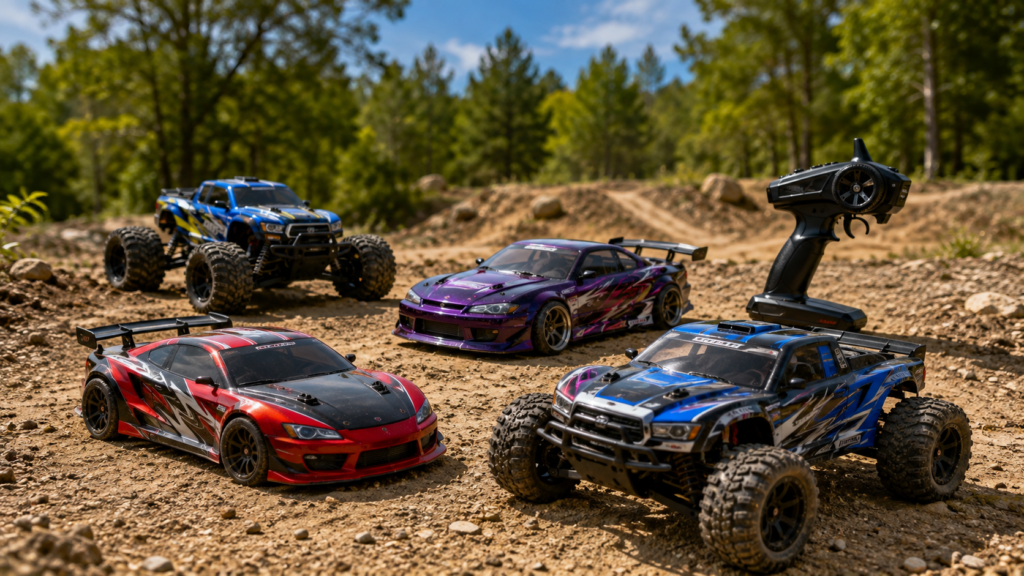
For many people, RC cars are more than simple toys. They offer an exciting way to enjoy driving, racing, collecting, and learning about mechanical and electronic systems. A well-chosen remote-controlled vehicle can provide hours of entertainment for children, teenagers, and adults alike. However, with so many models, sizes, power systems, and designs available, choosing the right one can feel confusing for someone buying their first model.
Understanding the main differences between RC vehicles makes the buying process much easier. Whether someone wants a fast car for racing, a stylish model for drifting, or a powerful truck for outdoor driving, there is an option suited to almost every preference.
What Makes RC Cars So Enjoyable?
The appeal of remote-controlled vehicles comes from the combination of control, speed, and hands-on entertainment. Unlike many digital games, an RC vehicle gives its user something physical to operate. The driver needs to manage steering, acceleration, braking, and sometimes even different driving modes.
Modern models can also be surprisingly sophisticated. Some feature rechargeable batteries, proportional steering, adjustable suspension, strong electric motors, LED lighting, and durable body designs. More advanced models can reach impressive speeds while remaining responsive enough for controlled driving.
Another advantage is that the hobby can be enjoyed in different ways. Some people prefer casual driving around a garden or driveway, while others enjoy organized racing, technical courses, drifting, or collecting detailed replicas.
Choosing the Right RC Car
A first-time buyer should consider where and how the vehicle will be used before choosing a specific model. An electric rc car can be a practical starting point because electric models are generally straightforward to operate and maintain.
The driving environment also matters. A lightweight road model may perform well on smooth surfaces but struggle on grass, gravel, or uneven ground. A vehicle designed for off-road use normally has larger tires, greater ground clearance, and suspension components designed to handle rougher terrain.
Speed should not be the only consideration. A very fast model can be difficult for a beginner to control, particularly in a small driving area. A balanced combination of speed, handling, durability, and battery life can provide a much better experience.
Electric vs Nitro RC Models
One of the biggest decisions in the hobby is choosing between electric and nitro power.
Electric RC vehicles use rechargeable batteries and electric motors. They are often convenient because they can be started quickly and generally require less routine maintenance. Modern brushless motors can also deliver strong acceleration and high top speeds.
Nitro models use small internal-combustion engines powered by specialized fuel. They appeal to hobbyists who enjoy the mechanical side of the hobby, including engine tuning, exhaust sound, and the experience of operating a miniature combustion engine.
Neither option is automatically better. The right choice depends on what the driver values most. Someone looking for convenience may prefer electric power, while an enthusiast interested in mechanical performance may enjoy a nitro model.
Exploring RC Drift Cars
Drifting adds a completely different style of driving to the hobby. Instead of simply trying to travel as quickly as possible, the driver intentionally controls the vehicle while the rear wheels lose traction.
A dedicated rc drift car can provide a more specialized driving experience. Drift-focused models are designed around controlled slides, steering response, tire characteristics, and balance.
Learning to drift takes practice. Beginners often start by understanding throttle control and steering before attempting longer slides. Smooth inputs are usually more effective than sudden movements. Once a driver becomes comfortable, they can experiment with linking corners, controlling speed through turns, and maintaining consistent angles.
Drifting can also be visually impressive. A controlled slide around a corner creates a sense of precision that makes the activity enjoyable even for spectators.
Why RC Trucks Are Popular
Cars are not the only choice for hobbyists. rc trucks are particularly popular among people who want to drive across surfaces that would be difficult for a low-profile road vehicle.
Many trucks feature large tires, increased ground clearance, and robust suspension systems. These characteristics make them suitable for grass, dirt, gravel, and other uneven surfaces.
Different types of trucks are designed for different purposes. Some focus on high-speed off-road driving, while others are built for crawling over rocks and technical terrain. Monster-style trucks, for example, are known for their large tires and aggressive appearance, while crawler models prioritize slow-speed control and traction.
For someone who does not have access to a smooth racing surface, a capable truck can therefore be a more versatile choice.
Battery Life and Charging
Battery performance is another important factor when selecting an RC vehicle. Driving time depends on the battery capacity, motor, driving style, terrain, and vehicle weight.
A higher-capacity battery can provide longer sessions, although charging time and physical battery size should also be considered. It is useful for hobbyists to have a suitable charging setup and, where appropriate, an additional compatible battery.
Drivers should also follow the manufacturer’s charging and storage instructions. Proper battery care can improve reliability and help the power system perform consistently.
Durability Matters for Beginners
New drivers are likely to make mistakes. A vehicle may hit a wall, flip over, land awkwardly, or encounter terrain that is more demanding than expected. For this reason, durability can be more valuable than having the highest possible top speed.
A strong chassis, quality suspension components, suitable tires, and replaceable parts can make ownership easier. Before purchasing, buyers should check whether replacement components are available for the model.
A vehicle that can be repaired rather than replaced after a minor accident can offer considerably better long-term value.
Where Should Someone Drive?
The ideal driving location depends on the type of vehicle. Smooth pavement is suitable for many road-oriented models, while open grass and dirt areas can work well for off-road vehicles.
Safety should always be considered. Drivers should avoid roads with traffic, crowded pedestrian areas, and locations where an uncontrolled vehicle could cause injury or property damage.
A clear private area gives beginners enough room to practice steering and acceleration without constantly worrying about obstacles. As their skills improve, drivers can explore more challenging environments that match their vehicle’s design.
Maintenance Keeps an RC Vehicle Running
Regular maintenance is an important part of the hobby. After driving, users should inspect the tires, suspension, steering components, body, and drivetrain for signs of damage.
Dirt and debris can accumulate around moving components, especially after off-road driving. Cleaning the vehicle regularly helps prevent unnecessary wear. Screws should also be checked periodically because repeated vibration can loosen hardware.
Battery connections, gears, and other components should be inspected according to the manufacturer’s recommendations. Keeping a small selection of appropriate replacement parts and basic tools can make routine repairs much easier.
RC Cars Can Become a Long-Term Hobby
What begins as a simple purchase can develop into a much deeper hobby. Once a driver becomes comfortable with a particular vehicle, they may start exploring upgrades and customization.
Common modifications can include different tires, suspension components, motors, batteries, body shells, lighting systems, and other compatible parts. Some enthusiasts enjoy performance tuning, while others focus on appearance and scale detail.
The hobby can also encourage practical skills. Basic maintenance introduces users to mechanical concepts, while electrical components provide an introduction to batteries, motors, connectors, and electronic controls.
Final Thoughts
Choosing the right RC vehicle is ultimately about matching the model to the driver’s interests, experience, and environment. A beginner who wants straightforward operation may find an electric model appealing, while someone interested in controlled slides may prefer a drift-focused vehicle. Drivers who enjoy rough terrain and outdoor exploration may find that a truck provides greater versatility.
Rather than choosing solely based on maximum speed or appearance, buyers should consider durability, handling, power, battery life, replacement parts, and intended driving conditions. With the right model and a little practice, remote-controlled driving can become an engaging hobby that combines entertainment, technical learning, and plenty of opportunities to improve.