
Maximizing Your Trade In How to Upgrade Your Car at a Local Dealership
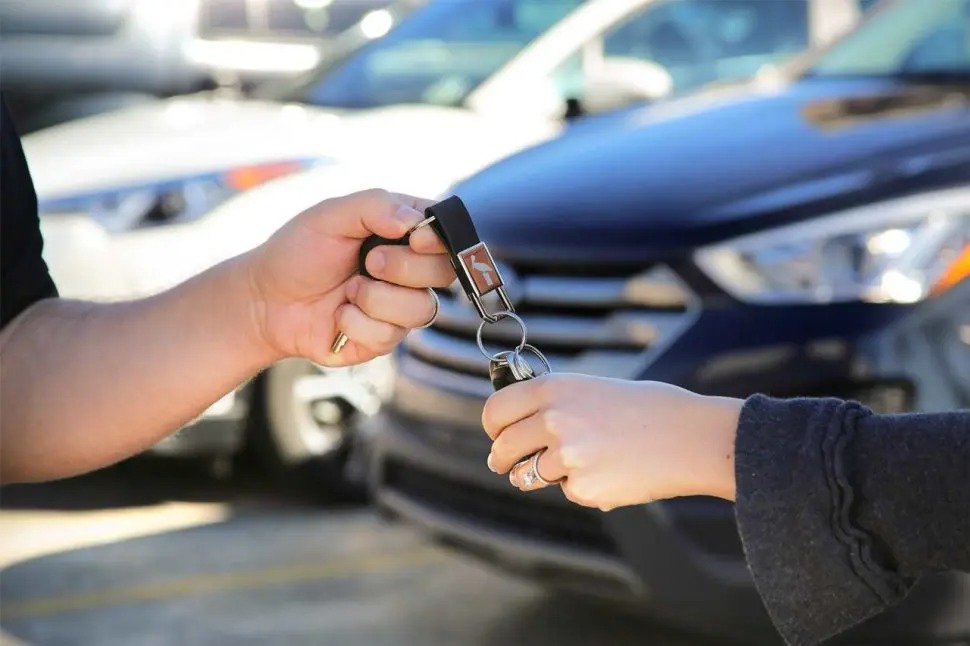
Trading in your current vehicle is one of the smartest financial moves a car owner can make — but only if you approach it with the right strategy. Many people walk into a dealership underprepared, leaving hundreds or even thousands of dollars on the table simply because they didn’t do their homework beforehand. A well-executed trade-in can dramatically reduce the cost of your next purchase, make financing more manageable, and get you behind the wheel of a newer, more reliable vehicle without the stress of a private sale. Whether you’re upgrading for practical reasons, chasing the latest safety features, or simply ready for a change, the trade-in process rewards those who come prepared, informed, and confident.
Know Your Car’s Worth Before You Walk In
One of the most common mistakes sellers make is walking into a dealership without any idea of what their vehicle is actually worth. Spend time researching your car’s current market value using online valuation tools. Factor in your vehicle’s age, kilometres travelled, service history, condition, and any modifications or aftermarket additions. Having a realistic but optimistic number in mind gives you a negotiating baseline. Remember, dealers expect some back-and-forth — so don’t be afraid to advocate for a fair price. Print out comparable listings from online marketplaces and bring them with you as supporting evidence.
Prepare Your Vehicle to Make a Strong First Impression
Presentation matters enormously during a trade-in appraisal. A clean, well-maintained car signals to the dealer that the vehicle has been looked after, which can positively influence the valuation. Give your car a thorough wash, vacuum the interior, clean the windows, and remove all personal belongings. Address minor issues like cracked windscreens, worn wiper blades, or flat tyres if the cost of repair is lower than the potential increase in valuation. Compile all your service records, registration papers, and any warranty documentation — having a complete history builds buyer confidence and strengthens your negotiating position.
Timing Your Trade-In for Maximum Return
The timing of your trade-in can have a real impact on the value you receive. Dealers are more motivated to offer competitive appraisals when their used car stock is low or when consumer demand for your vehicle type is high. SUVs and four-wheel drives tend to command better prices in cooler months, while fuel-efficient small cars attract attention when petrol prices spike. End-of-month is often a productive time to negotiate, as sales teams are working toward monthly targets and may be more flexible on valuations to close deals.
How to Shop Smart at Local Car Yards
Once you’ve secured a strong trade-in offer, the real fun begins — finding your next vehicle. Broadening your search is always a smart move, and exploring stock at various kedron car yards can reveal far more options than sticking to just one lot. Different dealerships carry different makes, model years, and price points, so casting a wider net gives you genuine leverage. If you find a car you love at one yard, you can use competing offers from others as a bargaining chip.
Understanding Finance and the Total Cost of Upgrading
Your trade-in value is just one piece of the financial puzzle. When upgrading at a dealership, it pays to understand how your trade-in equity is applied to your new purchase. Ask for an itemised breakdown showing the vehicle price, trade-in credit, any dealer fees, and the final financed amount. The difference between a good and bad car loan can cost thousands over the life of the agreement, so compare interest rates, loan terms, and any balloon payment options carefully before signing anything. Don’t let enthusiasm for a new car cloud your judgment on the financial terms.
Negotiating Like a Pro and Closing the Deal
Negotiation is a skill, and in the context of a dealership visit, it’s entirely expected. Don’t accept the first offer on your trade-in or the first price on your new vehicle. Politely but firmly ask what flexibility exists on both sides of the transaction. Consider the deal as a whole — sometimes a dealer who won’t budge on vehicle price will throw in extras like extended warranty, floor mats, a full tank of fuel, or a free first service. These additions have real monetary value and can tip a deal in your favour without the dealer needing to adjust the sticker price.
Making the Most of Your Upgrade From Start to Finish
Upgrading your car through a dealership trade-in is a process that rewards patience, research, and clear-headed decision-making. From knowing your vehicle’s worth before you arrive, to timing your visit strategically, to shopping across multiple lots and understanding your finance options fully — every step you take with intention adds up to a better outcome. The goal isn’t just to get rid of your old car; it’s to leverage its value in a way that makes your next vehicle more affordable, better suited to your lifestyle, and something you’re genuinely excited to drive. Take your time, ask the right questions, and don’t be afraid to walk away if the deal doesn’t feel right — because the right deal, at the right yard, is always worth waiting for.