
Lazer LED Driving Lights: A Buyer’s Guide for Agricultural and Plant Machinery
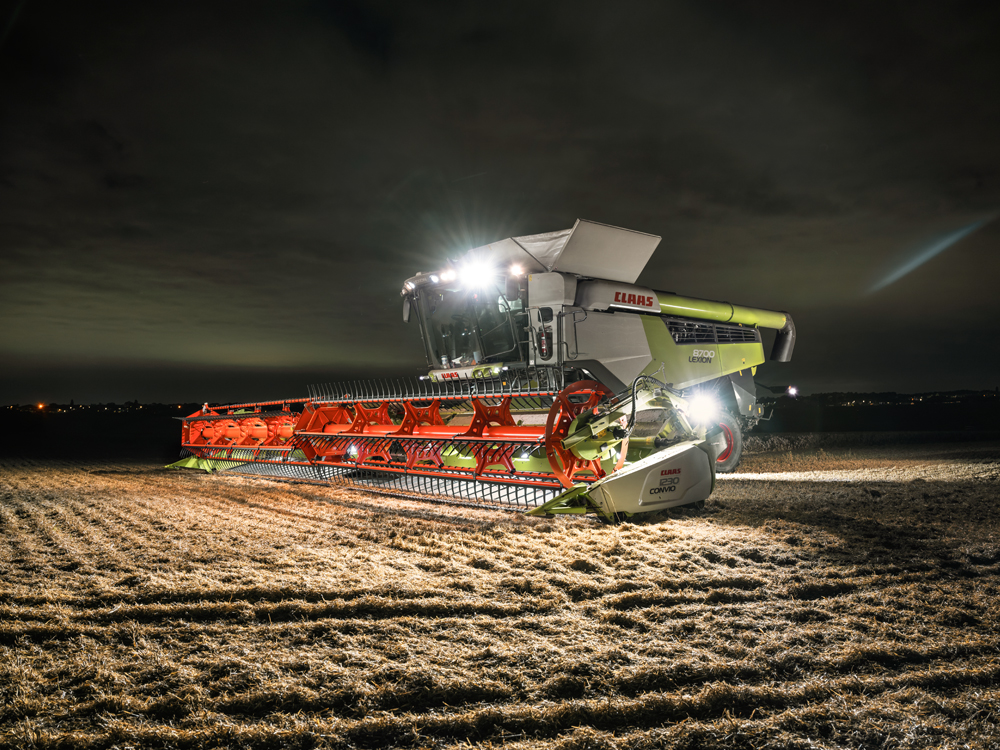
Anyone who has tried to finish a harvest after dusk, or reverse a telehandler around a dark yard, knows that standard headlights weren’t built for that kind of work. Farm and plant machinery spends half its life doing jobs no road-going vehicle was designed for, cutting a straight line through a field at 5 a.m., loading a trailer in an unlit shed, clearing snow off a track before sunrise. Lazer led lights were built with exactly that kind of work in mind, and this guide is here to help you pick the right ones for the machine you’re actually running.
Why Standard Machinery Lighting Falls Short
Most agricultural and plant machinery ships with lighting that’s adequate for getting from the shed to the field, not for working through the night in it. Beam patterns are often narrow and short-throw, built for road visibility rather than covering a wide working area. Housings aren’t always rated for the vibration, mud and pressure-washing a tractor or excavator goes through daily. And output tends to drop off exactly where you need it most, at the edges of the field or the far corner of a site.
Upgrading to a purpose-built LED range solves all three problems at once: wider, more even beam spread, housings built to survive genuine field and site conditions, and consistent output that doesn’t fade with use.
What Makes the Lazer Range Different
Lazer Lamps is a UK manufacturer that has built its reputation across the 4×4, commercial vehicle, motorsport and industrial sectors, which means the same engineering that goes into rally cars and expedition vehicles carries over into its work lighting. The range is genuinely broad, covering everything from small utility work lamps to long-throw driving lights, so there’s rarely a case of a farm or plant operator having to compromise between beam distance and housing durability.
Matching a Lazer Series to Your Machinery
Here’s how the main series break down for agricultural and plant use:
| Series | What it’s built for | Good fit for |
| Utility Series | Compact, high-output work lighting | Loader arms, reversing areas, trailer hitching, general yard work |
| Triple-R Series | Long-range driving beams with optional position light | Combine headers, tractor cabs, telehandlers working open ground |
| Linear Series | Slim, low-profile light bars | Roof lines on tractors, cab tops, machines with limited mounting space |
| Sentinel Series | High-output round lamps with flexible beam options | Larger plant machinery, excavators, wide-area site lighting |
| ST/T Evolution Series | Compact driving lights in a range of sizes | Smaller machinery or tighter mounting points needing focused beam |
What to Check Before You Buy
A few practical things are worth confirming before ordering:
- Voltage. Most agricultural and plant machinery runs 12V or 24V systems. Check your machine’s electrical setup before choosing a lamp.
- Mounting compatibility. Integration kits exist for specific makes and models, which makes fitting far more straightforward than a generic bracket.
- Beam type. Spot beams throw light further for open-field work; wide or flood beams suit close-range yard and loading tasks. Some models combine both in one housing.
- Position light. Several Triple-R and Sentinel models include a daytime running or position light, useful if the lamp also needs to serve as a visibility marker.
- IP rating and housing. Agricultural and plant use means mud, dust, vibration and regular washdowns, so check that the housing is rated for that kind of environment.
Fitting Lazer Lights to Farm and Plant Machinery
Fitting is usually simpler than people expect, particularly where a dedicated integration kit exists for your vehicle or machine. Where no specific kit is available, a lamp can still be mounted with a universal bracket and wired in using a relay and appropriate cable extension, both of which are available alongside the lamps themselves. If your machinery runs a CAN-bus electrical system, a CAN interface module lets the lights integrate cleanly without extra switches cluttering the cab.
For anyone unsure about wiring or fitment, Beacons and Lightbars offers an installer network that can handle the job properly, which is worth using if the vehicle’s electrical system is anything other than straightforward.
Getting the Right Setup for Your Machinery
The best way to land on the right lamp is to think about the job first, not the spec sheet. A combine running late into an autumn evening needs long-range visibility across open ground, which points toward Triple-R or Sentinel. A loader working a tight, cluttered yard benefits more from Utility Series lamps with a wider spread. A tractor with limited roof space might suit the slim Linear bars better than bulkier round lamps.
Once the job is clear, matching voltage, beam type and mounting all becomes a much simpler process. You can browse the full lazer led lights range on the Lazer Lamps category page.
Find the Right Lights for Your Machine
Whether you’re fitting out a combine for late harvest work or upgrading a loader for dark winter mornings, the right Lazer setup makes a real difference to how safely and efficiently the job gets done. Browse the full range and find lights built for your machine.
FAQs
1. What’s the difference between the Triple-R and Sentinel series?
Triple-R lamps are round driving lights with strong long-range throw, often used on tractors and telehandlers. Sentinel lamps offer higher output and more beam flexibility, which suits larger plant machinery and wider site lighting needs.
2. Can Lazer lights run on both 12V and 24V machinery?
Most models are compatible with both, but always check the specific product listing, since agricultural and plant machinery commonly runs 24V systems.
3. Do I need an integration kit to fit these lights?
Not always. Integration kits make fitting straightforward for specific makes and models, but a universal bracket with the correct relay and wiring will work where no dedicated kit exists.
4. Which series suits close-range work like loading and reversing?
The Utility Series is designed for this specific purpose, providing compact, high-output lamps for tight working areas instead of long-distance beams.
5. Are Lazer lights durable enough for daily farm or site use?
Yes. The range is built for demanding sectors including commercial vehicle and industrial use, with housings designed to handle vibration, mud and regular washdowns.