
Driving Across Europe: Practical Insights Every International Traveler Should Know
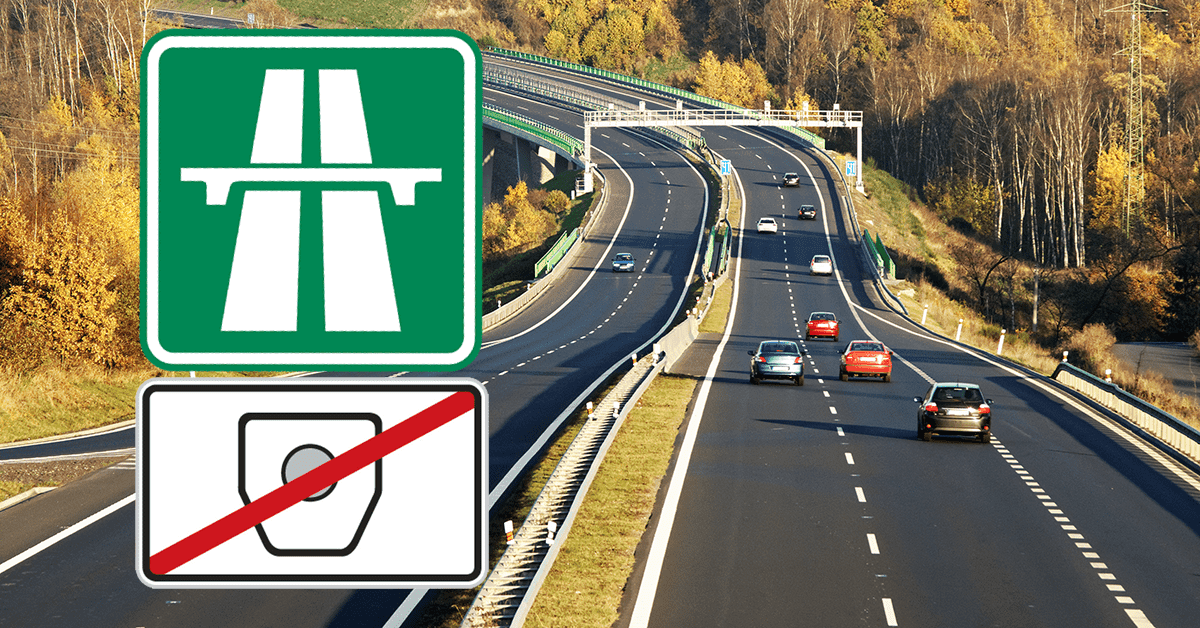
For many travelers from the United States, exploring Europe by car represents freedom, flexibility, and a chance to experience regions that are difficult to reach by plane or train. Scenic countryside roads, historic towns, and the ability to adjust plans spontaneously make driving an appealing option for both short trips and extended journeys. However, driving in Europe comes with its own set of rules and systems that differ significantly from what American drivers are used to. Understanding these differences in advance can prevent unnecessary stress and help travelers focus on the experience itself.
Unlike the largely uniform highway system in the U.S., Europe operates with a patchwork of national regulations. Speed limits, road signage, toll systems, and enforcement methods vary from country to country. While navigation apps handle routing efficiently, they often do not explain the legal and administrative requirements associated with using certain roads. This gap in knowledge is where many first-time drivers encounter problems.
Why Road Regulations Matter More Than You Expect
One of the most common misconceptions among international visitors is the assumption that toll roads operate the same way everywhere. In reality, Europe uses several different models. Some countries rely on toll booths, others use distance-based electronic systems, and several apply time-based access permits. These permits must be obtained before entering certain highways, and failure to comply can result in fines issued automatically through camera systems.
The Czech Republic is a good example of a modern digital approach. Access to its motorways is regulated through an electronic permit system commonly referred to as dálniční známka. Instead of stopping at booths or displaying a physical sticker, the vehicle’s license plate is registered digitally. Cameras monitor compliance, meaning drivers may never be stopped in person yet still receive penalties later if requirements are not met. For travelers unfamiliar with this system, preparation is essential.
Planning Ahead Saves Time and Money
Effective trip planning goes beyond booking accommodations and choosing attractions. It includes understanding which roads require permits, how long those permits remain valid, and whether exemptions apply. Many travelers underestimate how quickly small administrative oversights can lead to complications, especially when driving across multiple borders within a single trip.
Digital systems have simplified access, but they also shift responsibility entirely onto the driver. Before starting a journey, it is wise to review official sources that explain how systems such as the elektronická dálniční známka work, including validity periods and enforcement methods. This approach allows travelers to plan routes confidently and avoid last-minute decisions that can disrupt schedules.
Everyday Travel Habits That Reduce Risk
Beyond toll systems, there are several habits that make European driving smoother. Keeping digital copies of documents, understanding local speed limit conventions, and being aware of special rules for weather or environmental zones all contribute to safer travel. Many European cities restrict vehicle access during certain hours or require environmental permits, and these rules are often enforced automatically.
Another important factor is budgeting. Fuel prices, tolls, and parking costs vary widely between regions. Knowing these variables in advance helps travelers manage expenses and avoid surprises. This is particularly useful for longer trips that pass through multiple countries, where cumulative costs can add up quickly.
Confidence Through Knowledge
Driving abroad does not need to be intimidating. Most challenges arise from missing information rather than complex rules. Travelers who take time to understand how European road systems operate tend to report smoother journeys and greater enjoyment. They are better prepared for border crossings, less likely to encounter fines, and more capable of adjusting plans when circumstances change.
Ultimately, successful travel by car depends on preparation and awareness. Modern digital tools provide excellent support, but they work best when combined with a basic understanding of regional regulations. By approaching European driving with curiosity rather than assumptions, international travelers can turn potential obstacles into a seamless part of their adventure.
Exploring Europe by road remains one of the most rewarding ways to travel. With thoughtful planning and attention to local systems, drivers can focus on landscapes, culture, and experiences instead of administrative issues. Knowledge becomes the key that transforms a complex journey into a memorable and stress-free experience.