
Car Safety Check: Why It Matters Every Time You Drive
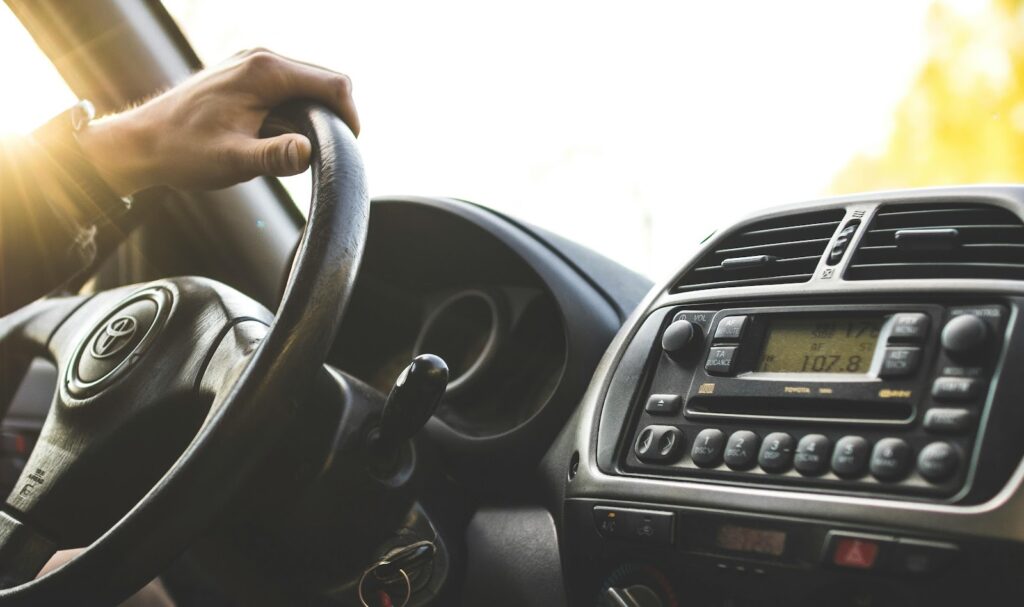
Your car might start every morning and get you from A to B, but that does not always mean it is safe. Many vehicle issues develop gradually, quietly increasing risk long before a warning light appears. That is where a regular car safety check makes all the difference. It’s an essential task that every driver must do to ensure the protection of everyone inside the car. Here’s what to remember:
What Is a Car Safety Check?
A car safety check is a systematic inspection of your vehicle’s most critical components to ensure it is safe, legal, and reliable to drive. Unlike a full logbook service, a safety check focuses on items that directly affect roadworthiness and accident prevention.
These checks are especially important before long journeys, when buying or selling a car, or if your vehicle has not been serviced recently.
Why Regular Car Safety Checks Are Essential
- Prevent Problems Before They Become Dangerous: Brake wear, tyre damage, or fluid leaks often go unnoticed until they cause a breakdown or worse, an accident. Regular safety checks identify these problems early, reducing the risk of sudden failure on the road.
- Improve Confidence Behind the Wheel: A safety check gives peace of mind that your brakes will stop effectively, your tyres will grip properly, and your lights will keep you visible in all conditions.
- Save Money Over Time: A safety check can help you avoid costly damage caused by neglected maintenance.
- Support Safer Roads for Everyone: Keeping your car in a safe condition helps reduce the likelihood of accidents caused by mechanical failure.
What Is Included in a Car Safety Check?
While checks may vary slightly by provider, a comprehensive car safety check typically includes the following key areas.
- Brakes and Steering: Brakes are one of the most critical safety systems in your vehicle. Any decline in braking performance should be addressed immediately. A car safety check looks at brake pads and discs for wear, brake fluid, and steering responsiveness.
- Tyres and Wheels: Tyres are your only contact with the road. Proper tread depth and pressure improve grip, braking distance, and fuel efficiency.
- Lights and Visibility: Good visibility helps you see hazards early and ensures other drivers can see you clearly. This covers your headlights, tailights, brake lights, and signalling lights, as well as your windshield and wipers.
- Fluids and Engine Bay: A car safety check monitors your engine oil, coolant, brake fluid, and ensures there are no leaks or worn hoses.
- Suspension and Underbody: A stable suspension system improves handling, braking, and overall control. This includes shocks, struts, and other suspension components.
Safety Is Not Optional, Book a Car Safety Check Today
A car safety check is not just another item on your to‑do list. It is a practical step toward safer driving, lower stress, and better long‑term vehicle health. Staying proactive helps you avoid discomfort, indecision, and unnecessary risk while giving you confidence every time you turn the key.