
Brake Shop Basics: 7 Warning Signs Your Brakes Need Service Now
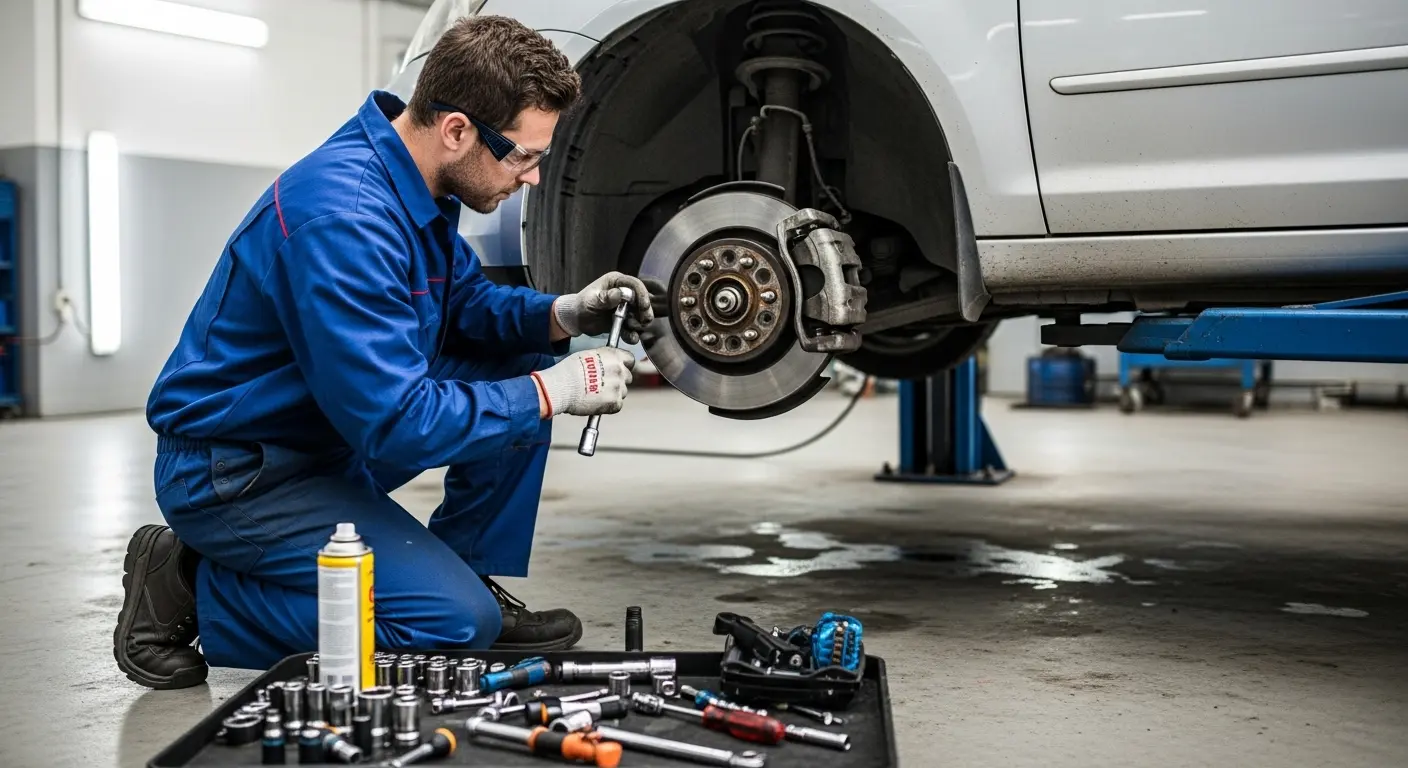
Your car’s braking system is one of the most important safety features — yet it’s often the most neglected. Many drivers only visit a brake shop when something feels seriously wrong. However, waiting too long can turn minor brake issues into costly repairs or even dangerous situations. Understanding the warning signs of brake trouble can save you time, money, and potentially your life.
Below are seven clear warning signs that indicate it’s time to visit a trusted brake shop immediately.
1. Squealing or Grinding Noises
If you hear a high-pitched squeal or grinding sound whenever you press the brake pedal, it’s a big red flag. The squealing usually means your brake pads are wearing thin and need replacement. Grinding noises, on the other hand, often indicate that the brake pads have completely worn out, allowing metal-to-metal contact — which can damage your rotors.
2. Soft or Spongy Brake Pedal
A properly functioning brake pedal should feel firm when pressed. If your pedal feels soft or sinks too easily, it might signal air or moisture in the brake lines or a failing master cylinder. A professional inspection at a reliable brake shop can quickly identify and fix the issue before it becomes a serious hazard.
3. Vibration When Braking
If your steering wheel or brake pedal shakes when you apply the brakes, it could mean your rotors are warped. This happens due to excessive heat or uneven wear over time. A brake shop can resurface or replace your rotors to ensure smooth and safe braking performance.
4. Warning Light on Dashboard
Most modern vehicles have a brake warning light that illuminates when there’s a problem in the system. Never ignore this sign — it could indicate low brake fluid, worn-out pads, or even an issue with the anti-lock braking system (ABS). Always have it checked by professionals immediately.
5. Pulling to One Side
Does your car pull to one side when you brake? Uneven brake pad wear, a stuck caliper, or issues in the hydraulic system can cause this problem. A quick visit to your local brake shop can help diagnose and fix the issue, ensuring even braking and preventing further damage.
6. Burning Smell After Braking
If you notice a sharp, chemical odor after hard braking, it may mean your brakes are overheating. Overheated brakes can lead to brake fade — a temporary loss of braking power — which is dangerous, especially during downhill drives. Pull over safely and allow your brakes to cool down, then get them inspected by professionals.
7. Increased Stopping Distance
If your car takes longer than usual to stop, it’s a clear warning that something’s wrong. Worn brake pads, low brake fluid, or air in the system can all reduce braking efficiency. Don’t take chances — a certified brake shop can test and restore your braking power before it leads to an accident.
Final Thoughts
Regular brake inspections are essential for every driver. Most experts recommend checking your brakes at least twice a year, or sooner if you experience any of the above symptoms. Your local brake shop can perform a complete diagnostic test, replace worn parts, and ensure your vehicle is safe for the road.
Don’t wait for your brakes to fail — act at the first sign of trouble. A quick visit to a professional brake shop today can keep you, your passengers, and everyone else on the road safe tomorrow.