
Acetylene: The Essential Industrial Gas for Welding and Cutting
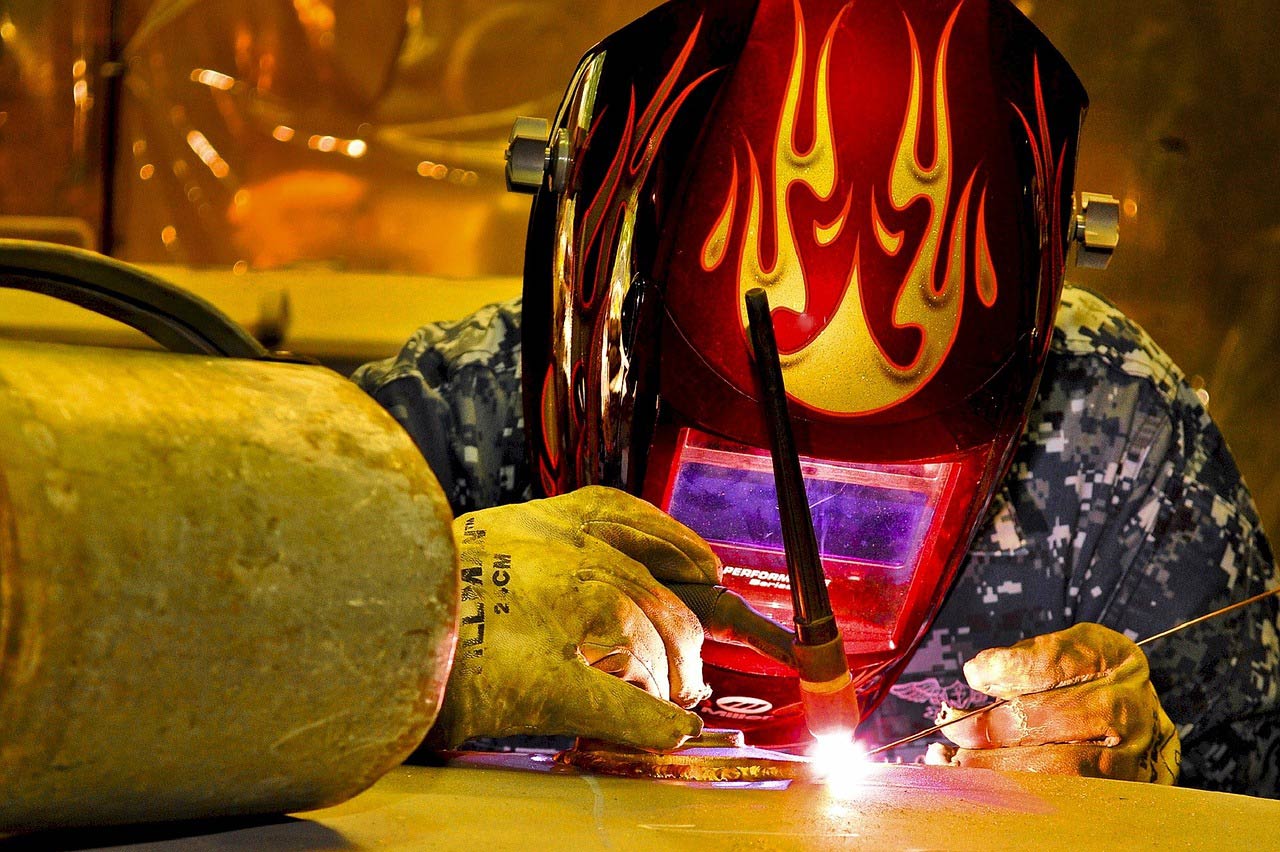
Widely recognised for its role in industrial applications, acetylene stands as a critical component in the field of welding and cutting. Its properties and capabilities make it a preferred choice among various gases used for these purposes. Acetylene, a hydrocarbon and the simplest alkyne, is notable for its high flame temperature and combustion efficiency, which accounts for its extensive use in metalworking and more.
The Properties of Acetylene
Acetylene is a colourless gas that, when combined with oxygen, can produce a flame of over 3,000 degrees Celsius. This exceptional temperature is what allows acetylene to cut through metals with ease. In addition, acetylene’s combustion produces a sootless flame, making it clean and desirable in environments where precision and finish are paramount.
Uses of Acetylene in Industrial Settings
Acetylene’s primary use in industrial settings is for oxy-acetylene welding and cutting. This process, which involves the burning of acetylene with oxygen to generate a precise and controlled flame, is ideal for joining metal components as well as cutting through them. This versatility makes acetylene a staple in workshops, construction sites, and fabrication facilities.
Welding with Acetylene
When it comes to welding, acetylene is valued for producing a stable and concentrated flame. In the hands of skilled welders, this allows for the creation of strong and resilient joins. Furthermore, the adjustability of the acetylene flame enables welders to work with a variety of metals of differing thicknesses and compositions.
Cutting Applications
For cutting metal, acetylene is equally essential. Its ability to rapidly heat metal to its kindling temperature means that with the right oxygen mixture, it can make quick and clean cuts. This is particularly beneficial in fields such as scrapping, demolition, and construction where time and precision are money.
Advantages Over Other Industrial Gases
While there are other gases available for welding and cutting, acetylene holds several advantages. One significant benefit is the portability of acetylene cylinders, which enables them to be used in remote locations without access to electrical power. Moreover, acetylene’s extensive availability makes it an accessible option for businesses and contractors around the globe.
Another advantage lies in the simplicity of the equipment required. Oxy-acetylene welding kits are straightforward, allowing for quick setup and teardown—a boon for mobile operators or those who need to switch tasks frequently.
Safety Precautions
Despite its numerous benefits, working with acetylene requires strict adherence to safety guidelines. Acetylene is highly flammable and can be unstable under certain conditions, so proper handling and storage are essential. Users must be trained in detecting leaks, storing cylinders correctly, and using protective gear to mitigate risks.
Furthermore, equipment used with acetylene must be maintained with utmost care. Regulators, hoses, and torches must be regularly inspected for damage or wear that could lead to dangerous situations.
The Environmental Impact
Today’s industrial practices increasingly consider the environmental impact of their operations. Although acetylene production and use involve the emission of gases, it is relatively less impactful compared to some alternatives. Advancements are continually being made to ensure that acetylene’s production and application are as clean and sustainable as possible.
Supply and Distribution of Acetylene
Companies specializing in industrial gases typically handle the supply and distribution of acetylene. They ensure that businesses get the product in the required quantities and with adherence to safety standards. Reputable suppliers also offer technical support and guidance for its use in welding and cutting operations.
Conclusion
Acetylene’s role in the industrial gas market can hardly be overstated. Its use in welding and cutting is underpinned by its high flame temperature, combustion efficiency, and the quality of the workflows it supports. As industries grow and evolve, acetylene will continue to play a vital role, driven by the needs for efficient, precise, and sustainable operations.
Ensuring the safe and effective use of acetylene is a continuous endeavour involving suppliers, users, and regulators. When managed properly, acetylene continues to be an invaluable tool in the industrial world—a testament to both its legacy and future prospects.
In summary, the importance of acetylene in the world of welding and cutting cannot be overstated. Its unique properties make it an indispensable gas for various applications, and with careful management and respect for its power, acetylene will remain a cornerstone of industrial operations for years to come.
For any enterprise engaging in metalwork, establishing a reliable source of acetylene, understanding its characteristics, and upholding safety practices are the keys to leveraging the full potential of this essential industrial gas.
For more informational content visit: NRUTimes