
What Insurance Adjusters Should Know About On-Site Debris Processing Equipment
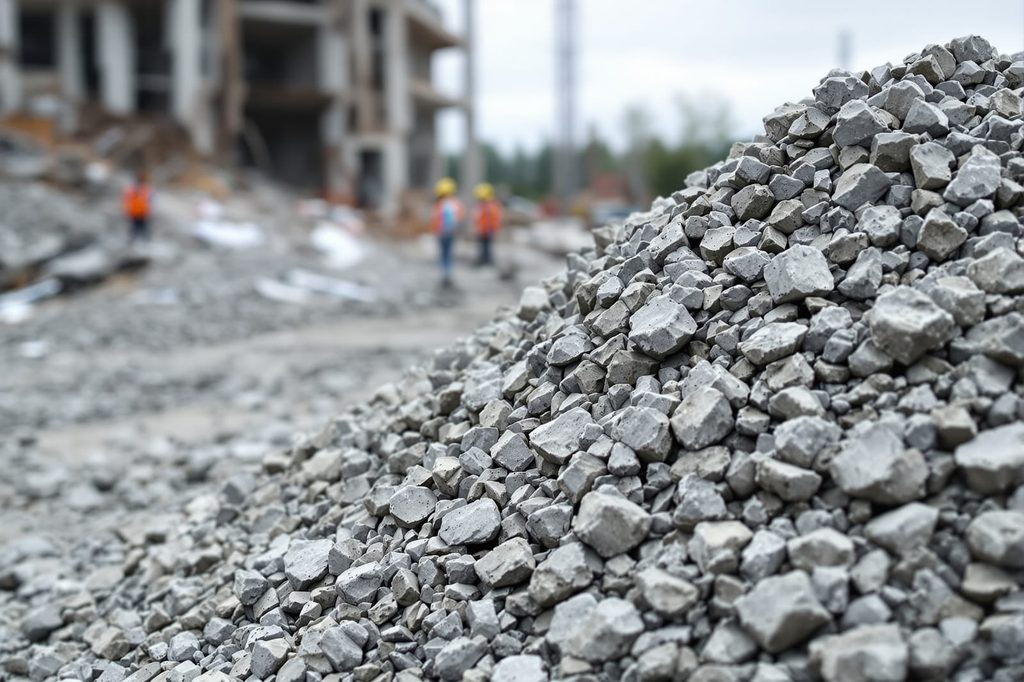
More contractors are bringing crushing equipment directly onto job sites instead of hauling demolition debris away, and that shift changes what adjusters and risk managers need to look for during a site visit. Compact crushers built with safety and containment in mind, such as R.R. Equipment’s Rebel Crusher, introduce a different risk profile than a dumpster and a hauling contract, one built around moving parts, material handling, and dust rather than simple truck traffic. Understanding what separates a well-managed crushing operation from a poorly managed one is becoming a practical skill for anyone underwriting or assessing these sites.
Why This Equipment Category Deserves Its Own Look
On-site crushing didn’t used to come up often in a typical construction equipment risk assessment. Hauling was the default, and disposal risk mostly lived with the trucking contractor, not the site itself. That’s changed as rising tipping fees have pushed more contractors toward processing concrete and asphalt where it’s generated. For an adjuster reviewing a policy or assessing a claim, that means crushing equipment can no longer be treated as an edge case. It’s increasingly a standard piece of the job site, and it carries hazards worth understanding on their own terms rather than lumping it in with general heavy equipment.
What Actually Drives Risk on a Crushing Site
Several factors separate a lower-risk crushing operation from one more likely to generate a claim. Job site equipment liability on these sites tends to concentrate around a handful of predictable points: material entering and exiting the crusher, moving components like jaws or conveyors, and airborne dust from the crushing process itself. None of these are unique to crushing, but they show up together in a way that’s different from most other equipment categories on a typical site.
Operator training and site layout matter as much as the machine itself. A crusher positioned with clear separation between the feed area and foot traffic, operated by someone trained on that specific model, presents a meaningfully different risk than the same machine run informally by whoever happens to be available that day. Adjusters evaluating a site benefit from asking not just what equipment is present, but how it’s actually being used day to day.
Safety Features Worth Recognizing
Not all crushing equipment is built the same way, and the differences matter for risk assessment. Mobile crusher safety features like radio remote operation let an operator run the machine from a safe distance rather than standing next to moving components, which meaningfully reduces exposure during normal operation. Guarding around pinch points, onboard magnets that pull rebar and other ferrous metal out of the material stream before it reaches later stages of processing, and integrated dust suppression systems are all features that lower the practical risk of a given machine, independent of how well the crew running it is trained.
These features are worth documenting specifically rather than noting generically that a site “has a crusher.” Two machines processing the same material can carry very different risk profiles depending on what’s built into the equipment itself.
Where Claims Tend to Originate
Heavy equipment insurance claims tied to crushing operations tend to cluster around a few recurring scenarios: workers entering the feed area while the machine is running, material ejection from improperly guarded discharge points, and respiratory exposure from inadequately controlled dust over time. None of these are unusual or unpredictable. They’re the same categories of hazard that show up across most heavy equipment claims, just concentrated differently because of how crushing equipment operates. Adjusters familiar with these patterns are better positioned to evaluate whether a given site’s controls are proportionate to the actual hazards present, rather than relying on general heavy equipment assumptions that don’t quite fit.
A Category Worth Tracking Going Forward
As more contractors adopt on-site crushing to manage rising disposal costs, this equipment category is likely to show up more often in site assessments and claims alike. Building a working knowledge of what separates well-controlled operations from higher-risk ones, equipment features, operator practices, and site layout among them, gives adjusters a more accurate picture than treating every crusher on a job site as an equivalent risk. The contractors investing in better-equipped machines and trained operators are, in practical terms, already doing a meaningful part of the risk management work before an adjuster ever arrives on site.