
How Advanced EV Cables Improve Everyday Charging Convenience
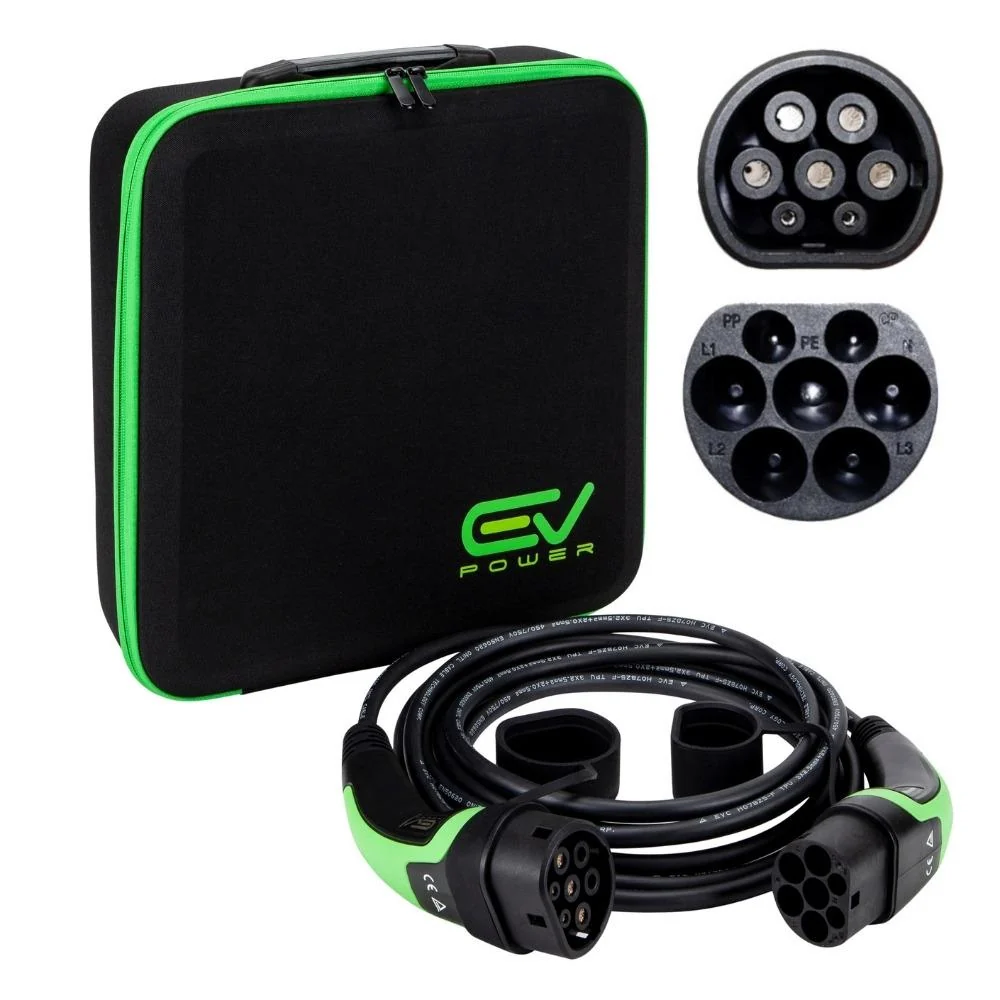
As electric vehicles become more common, charging has become an important part of everyday transportation. Drivers increasingly expect charging to be simple, dependable, and adaptable to different environments. Ev cables are no longer viewed as basic electrical accessories; modern designs can support improved flexibility, durability, compatibility, and power management. These developments can make charging easier at home, workplaces, parking facilities, and public charging locations.
The Growing Importance of Advanced Charging Technology
Electric vehicle charging technology has developed alongside improvements in batteries and charging infrastructure. Modern charging systems must accommodate different power levels, connector standards, cable lengths, and installation environments.
Charging cables are an important connection between the vehicle and charging equipment. Their construction can influence convenience, reliability, and safe energy transfer.
Moving Beyond Basic Cables
Older charging solutions were generally focused on establishing a simple electrical connection. Modern designs place greater emphasis on flexibility, insulation, connector quality, temperature management, and durability.
These improvements are particularly valuable for drivers who charge their vehicles frequently and need equipment capable of handling regular connection and disconnection.
Better Flexibility for Everyday Charging
One of the most noticeable improvements in modern charging cables is flexibility. A flexible cable can be easier to position around a vehicle, especially when the charging point is not directly beside the charging port.
This can reduce the need to reposition a vehicle simply to reach the charger.
Easier Parking and Connection
Parking arrangements can vary between garages, driveways, workplaces, and public charging areas. Flexible cables can accommodate different vehicle positions and angles more conveniently.
A suitable cable length can also make a difference. Market research identifies 2–5 meter cables as a major segment because they balance reach with handling and storage convenience.
Improved Charging Performance
Modern charging cables are designed for different electrical requirements. AC charging cables can support everyday home and workplace charging, while specialized DC cables are designed for much higher-power charging applications.
The cable must always be matched to the vehicle and charging equipment. A higher-rated cable alone cannot make a vehicle charge faster than its onboard charging system allows.
Supporting Higher Power Levels
As charging systems become more powerful, cables must handle greater electrical loads while managing heat effectively. Advanced designs can incorporate improved conductors, insulation, and thermal-management approaches.
For high-power DC charging, specialized cable designs can even use liquid cooling to manage heat and support demanding charging applications.
Greater Compatibility With Charging Systems
Different regions and vehicles use different connector standards. Common standards include Type 1, Type 2, CCS, CHAdeMO, GB/T, and NACS/J3400, depending on the market and vehicle.
Choosing the correct connector is therefore essential before purchasing a charging cable.
Matching the Vehicle and Charger
A cable should be compatible at both ends where applicable. For example, Type 2-to-Type 2 cables are widely used with untethered AC charging equipment in many markets.
Checking connector type, current rating, voltage rating, and charging mode can help prevent compatibility problems.
Enhanced Durability for Frequent Use
Charging cables can experience considerable physical stress. They may be coiled, uncoiled, moved across parking areas, connected repeatedly, and exposed to different weather conditions.
Advanced construction can help protect internal conductors from mechanical damage while maintaining flexibility.
Protection From Environmental Conditions
Outdoor charging can expose cables to rain, dust, sunlight, temperature fluctuations, and other environmental factors. Protective outer jackets and appropriate insulation can help improve durability.
Users should still follow the cable’s environmental specifications and store it appropriately when it is not being used.
Safer Charging Connections
Safety remains one of the most important considerations in electric vehicle charging. Modern cables can incorporate improved insulation, secure connector designs, grounding arrangements, and temperature-related protection.
A stable connection can help maintain reliable energy transfer throughout the charging session.
Connector Quality Matters
Connectors experience repeated insertion and removal, making their construction particularly important. A damaged connector can create unreliable contact and should not be ignored.
Regularly checking for cracks, deformation, exposed components, unusual discoloration, or signs of excessive heat can help identify potential problems early.
Easier Storage and Cable Management
Convenience does not end when charging is complete. Drivers must also store their charging equipment.
Flexible cables can generally be coiled more easily than rigid alternatives. Proper cable management can keep garages, parking spaces, and vehicle storage areas more organized.
Preventing Unnecessary Wear
Charging cables should not be sharply folded, tightly twisted, dragged unnecessarily, or placed beneath heavy objects.
Natural coiling and suitable storage can reduce mechanical stress and help maintain the cable’s condition over time.
Advanced Features Supporting Smart Charging
Modern charging technology is becoming increasingly connected. Some advanced charging systems can communicate with vehicles to manage charging conditions, authentication, and energy flow.
Standards such as ISO 15118 support advanced communication features, including Plug & Charge and other smart-charging capabilities.
Better Energy Management
Smart charging can help coordinate electricity consumption with available power and charging requirements. This can be particularly valuable for homes, workplaces, commercial facilities, and charging networks where several vehicles may need energy simultaneously.
Home Charging Convenience
Home charging is one of the most common applications for electric vehicles. Drivers often want a system that can be connected quickly and left to charge while the vehicle is parked.
Advanced cable construction can make this daily process easier by combining suitable reach, flexibility, durability, and reliable connectors.
Simplifying Overnight Charging
For overnight charging, convenience is particularly important. A properly matched cable can allow drivers to connect their vehicle before going to sleep and disconnect it when they are ready to leave.
A well-organized charging setup can also reduce clutter and unnecessary cable handling.
Public Charging Convenience
Public charging locations introduce different challenges. Drivers may encounter different parking layouts, charger positions, cable lengths, and connector configurations.
Modern charging cables can help address these challenges through improved flexibility, durability, and compatibility.
Supporting Different Charging Environments
Public infrastructure may require cables to withstand more frequent use than residential equipment. Durable construction can therefore be particularly valuable in shared charging environments.
Comparison of EV Cable Options and Market Competitors
Because the request does not identify a specific branded product, the table below compares general EV cable categories and competing market options rather than making unsupported claims about individual brands.
| Cable Option | Typical Application | Main Strength | Convenience Consideration |
| Type 2 AC Cable | Home, workplace, public AC charging | Broad AC compatibility in many markets | Good for regular charging |
| Type 1 AC Cable | Compatible legacy EVs and certain markets | Supports suitable single-phase charging | Useful where Type 1 remains applicable |
| CCS DC Cable | Public rapid and fast charging | Designed for high-power DC charging | Usually integrated with charging stations |
| NACS/J3400 Cable | North American AC/DC applications | Compact connector and broadening compatibility | Useful for compatible modern vehicles |
| CHAdeMO Cable | Compatible legacy EVs | Established DC fast-charging standard | Increasingly focused on older vehicle fleets |
| GB/T Cable | Chinese-market vehicles and infrastructure | Designed for local charging standards | Primarily relevant to compatible markets |
Connector standards and their applications vary by region, so compatibility should always be checked before selecting a cable.
Frequently Asked Questions
Do advanced charging cables charge an EV faster?
Not automatically. Charging speed depends on the vehicle, charging equipment, electrical supply, and cable rating. A cable must be capable of supporting the required power, but it cannot exceed the vehicle’s charging capability.
Are flexible cables better for daily charging?
Flexibility can make cables easier to position, connect, coil, and store. However, flexibility should be combined with appropriate electrical ratings, insulation, and durability.
What should I check before choosing a charging cable?
Check the connector type, vehicle compatibility, charging equipment, current rating, voltage rating, cable length, environmental requirements, and intended charging application.
Can one cable work with every electric vehicle?
No. Connector standards and electrical requirements differ between vehicles and regions. The cable must be compatible with the specific vehicle and charging equipment.
How can I extend the life of a charging cable?
Avoid sharp bends, excessive twisting, dragging, heavy pressure, and unsuitable storage conditions. Regularly inspect the cable and connectors for visible damage.
Conclusion
Advanced Ev charging cables have become important components of convenient electric vehicle ownership. Improvements in flexibility, durability, connector design, electrical capacity, thermal management, and smart-charging compatibility can make everyday charging easier and more dependable. As charging infrastructure continues to develop, Ev cables will increasingly support the need for safer, more adaptable, and efficient charging at homes, workplaces, and public locations.