
When and Why Commercial Buildings Need Electrical Panel Upgrades
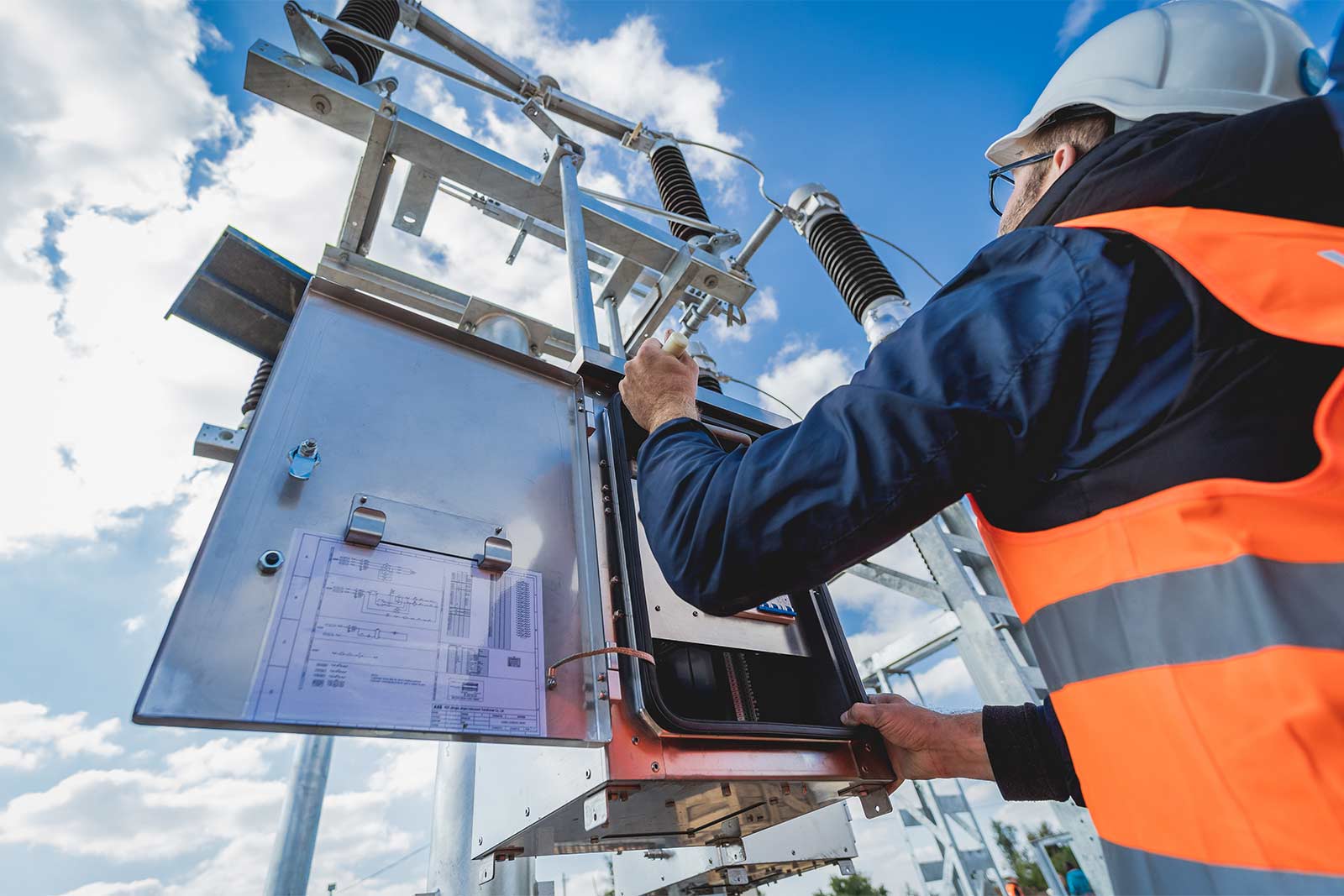
Electrical systems are the backbone of any commercial building. From powering essential equipment and lighting to supporting modern technology, a reliable electrical infrastructure is necessary for smooth business operations. However, as businesses grow and technology advances, older electrical systems often struggle to keep up with increased power demands.
One of the most critical components in this system is the electrical panel. When it becomes outdated or overloaded, it can lead to inefficiencies, safety risks, and costly disruptions. Understanding when and why a commercial electrical panel upgrade is necessary can help business owners maintain a safe and efficient workspace.
Understanding the Role of a Commercial Electrical Panel
The electrical panel—often called a breaker panel or distribution board—is responsible for distributing electricity throughout a building. It receives power from the utility source and divides it into individual circuits that supply electricity to various areas and equipment.
In commercial settings, electrical panels are designed to handle significantly higher loads than residential panels. They manage power for systems such as:
- HVAC systems
- Commercial lighting
- Industrial equipment
- Security and surveillance systems
- Computer networks and servers
- Elevators and automated systems
As more equipment is added over time, the electrical demand on the panel increases. If the panel cannot handle this demand, the entire system may become inefficient or unsafe.
Signs Your Commercial Building May Need a Panel Upgrade
Many commercial buildings operate for years without reviewing their electrical infrastructure. However, several warning signs can indicate that the electrical panel is no longer sufficient for the building’s needs.
Frequent Circuit Breaker Trips
If circuit breakers trip regularly, it often means the panel is overloaded. This is a common issue in buildings that have added new equipment without upgrading the electrical system.
Flickering or Dimming Lights
Lights that flicker or dim when equipment starts running can indicate that the electrical system is struggling to supply enough power.
Outdated Electrical Equipment
Older panels may not meet current electrical codes or safety standards. Aging components can also increase the risk of electrical failures.
Limited Capacity for Expansion
Businesses often grow over time. If a panel has no available space for additional circuits, it can limit future upgrades or new equipment installations.
Recognizing these signs early allows building owners to address electrical limitations before they turn into major operational issues.
The Benefits of Upgrading a Commercial Electrical Panel
Upgrading an electrical panel provides several important advantages for commercial buildings. Beyond simply increasing power capacity, modern panels help improve safety, efficiency, and overall system reliability.
Improved Electrical Safety
Outdated panels can increase the risk of overheating, electrical fires, and equipment damage. Newer panels include modern safety features that help prevent these hazards.
Greater Power Capacity
An upgraded panel allows businesses to support more equipment and technology without overloading circuits. This is particularly important for companies that rely on high-powered machinery or IT infrastructure.
Compliance with Current Electrical Codes
Building codes evolve over time to improve safety standards. Upgrading electrical panels helps ensure that commercial properties remain compliant with modern regulations.
Support for Energy-Efficient Technology
Many modern energy solutions—including LED lighting systems and smart building technology—require updated electrical infrastructure to operate effectively.
For businesses evaluating improvements to their electrical systems, consulting professionals experienced in commercial panel upgrades in San Jose can provide valuable insight into safe and efficient upgrade options.
Planning a Commercial Electrical Panel Upgrade
A panel upgrade is not simply a matter of replacing one box with another. Proper planning ensures the new system will meet both current and future electrical demands.
The process typically involves several key steps:
Electrical Load Assessment
Electricians analyze the building’s current and projected energy use to determine the appropriate panel capacity.
System Design
A new panel configuration is designed to distribute power efficiently across the building’s circuits.
Installation and Testing
After installation, the system is thoroughly tested to ensure proper operation and safety compliance.
Coordination with Utility Providers
In some cases, panel upgrades may require coordination with the local utility provider to support increased electrical capacity.
Professional planning ensures that the upgrade integrates seamlessly with the building’s existing electrical infrastructure.
Supporting Business Growth Through Electrical Infrastructure
As businesses evolve, their electrical needs change as well. New equipment, expanded workspaces, and increased digital infrastructure all place additional demands on electrical systems.
A modern electrical panel ensures that a building can support:
- Expanded office equipment and technology
- New production or manufacturing equipment
- Electric vehicle charging stations
- Upgraded HVAC systems
- Advanced building automation
Without adequate electrical capacity, these upgrades may be difficult—or even impossible—to implement.
Investing in electrical infrastructure today helps businesses avoid operational limitations in the future.
The Importance of Professional Electrical Services
Commercial electrical work requires specialized expertise. Electrical panels manage large amounts of power, and improper installation can create serious safety risks.
Qualified electricians understand the complexities of commercial systems, including load balancing, safety compliance, and proper circuit distribution. They also ensure that installations meet local codes and industry standards.
Working with experienced professionals helps ensure that panel upgrades are completed safely and efficiently while minimizing disruptions to business operations.
Conclusion
Electrical panels are one of the most important components of a commercial building’s power system. As businesses grow and technology advances, outdated panels can quickly become a limiting factor.
Upgrading a commercial electrical panel improves safety, increases power capacity, and supports modern energy-efficient technologies. It also helps businesses prepare for future expansion while maintaining reliable operations.
By investing in modern electrical infrastructure and partnering with qualified professionals, commercial property owners can ensure their buildings remain safe, efficient, and capable of meeting evolving power demands.