
How to Adjust the Settings on the Best Thermal Rifle Scope
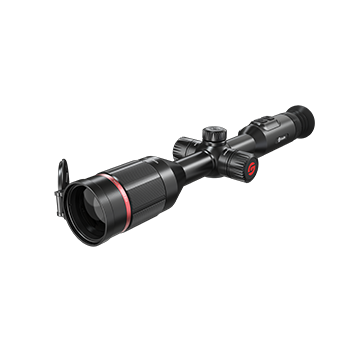
Using the best thermal rifle scope can dramatically improve your hunting or tactical experience, but to fully harness its capabilities, understanding how to adjust its settings is essential. Modern thermal optics scopes come equipped with a variety of features, including multiple reticle options, adjustable brightness, color palettes, and range-finding capabilities. This guide will walk you through the key adjustments and best practices to get the most out of your thermal optics scope.
Understanding Your Thermal Rifle Scope
Before diving into adjustments, it’s important to understand what a thermal rifle scope does. Unlike traditional scopes, thermal optics detect heat emitted by objects, allowing you to see in complete darkness, through smoke, fog, and other visual obstructions. The quality of your thermal scope significantly affects detection range, image clarity, and overall performance, which is why investing in the best thermal rifle scope is crucial.
Key components include:
- Display: Shows the thermal image and reticle. Can be OLED, LCD, or other types depending on the model.
- Reticle System: Provides aiming points. Some scopes offer multiple reticle shapes for different shooting scenarios.
- Zoom Function: Digital or optical zoom allows you to focus on distant targets.
- Palette Settings: Changes how heat signatures are displayed, using colors like white-hot, black-hot, or other contrast options.
- Rangefinder or Ballistic Calculator: Advanced scopes include tools for precise long-distance shooting.
Initial Setup of Your Thermal Optics Scope
Proper setup ensures that your thermal scope performs accurately. Follow these steps for initial configuration:
Mounting and Alignment
- Secure Mounting: Ensure the scope is firmly attached to your rifle using the appropriate mounting system. Loose mounts can drastically affect accuracy.
- Eye Relief Adjustment: Set the correct eye relief distance to prevent injury from recoil and ensure a full field of view.
- Leveling the Scope: Use a bubble level or scope leveling tool to align the reticle with the rifle barrel. Misalignment can cause significant point-of-impact errors.
Power and Calibration
Most modern thermal rifle scopes require either manual or automatic calibration.
- Auto-Calibration: Many scopes automatically adjust their sensors for temperature changes, usually signaled by a brief screen flicker.
- Manual Calibration: If your scope allows, press the designated calibration button in a stable position to ensure accurate thermal imaging. Regular calibration improves clarity, especially when moving between environments with different temperatures.
Adjusting Key Settings on the Best Thermal Rifle Scope
Brightness and Contrast
- Brightness: Adjust to suit ambient light conditions. Too bright in low-light environments can wash out the image, while too dim can hide details.
- Contrast: Fine-tune contrast to distinguish targets from the background effectively. Higher contrast works well in cluttered environments, whereas lower contrast suits open spaces.
Reticle Selection and Adjustment
Modern thermal optics scopes offer multiple reticle patterns to match different shooting styles.
- Reticle Choice: Select a reticle based on distance and target size. For precision shots, small crosshairs or mil-dot reticles are preferable.
- Reticle Color: Choose a color that contrasts with the thermal image for better visibility, commonly red, green, or white.
- Reticle Positioning: Some scopes allow digital adjustment to align the reticle with the rifle’s point of impact, enhancing accuracy without physically re-zeroing the rifle.
Digital Zoom and Magnification
Thermal scopes often include digital zoom functions:
- Low Zoom: Ideal for scanning areas or tracking moving targets.
- High Zoom: Use for long-range precision shots. Be cautious; digital zoom may reduce image resolution at higher levels.
- Incremental Adjustment: Adjust gradually to avoid losing sight of the target or introducing blur.
Color Palette Settings
Color palettes determine how heat signatures appear:
- White-Hot: Hot targets appear white, providing clear visibility in dark or foggy conditions.
- Black-Hot: Hot targets appear black, which can reduce glare and improve detection in bright environments.
- Other Palettes: Some advanced scopes offer red-hot or rainbow options for specific tactical applications. Experiment to find the optimal palette for your environment.
Rangefinder and Ballistics
Advanced thermal rifle scopes may include integrated rangefinders or ballistic calculators:
- Range Measurement: Use the scope’s laser or electronic rangefinder to determine distance accurately.
- Ballistic Adjustment: Enter your ammunition and environmental data into the scope to calculate the perfect holdover. This ensures that your shots are accurate even at extended ranges.
Tips for Maintaining Optimal Performance
- Regular Cleaning: Keep the lens clean and free of dust or moisture. Use a lens cloth designed for optics to avoid scratches.
- Firmware Updates: Many thermal scopes offer firmware updates that improve performance or add features. Regularly check the manufacturer’s website.
- Battery Management: Ensure your batteries are fully charged before heading into the field, and carry spares if possible. Low power can affect brightness, contrast, and overall functionality.
- Environmental Awareness: Extreme temperatures can affect thermal sensitivity. Allow your scope to acclimate when moving between different climates.
Common Mistakes to Avoid
- Skipping Calibration: Failing to calibrate can cause image distortion and inaccurate targeting.
- Overusing Digital Zoom: Excessive zoom reduces image clarity. Use zoom sparingly and adjust slowly.
- Ignoring Reticle Settings: Many shooters forget to optimize reticle choice and color, impacting accuracy.
- Improper Mounting: Loose or misaligned mounts can nullify all other adjustments, making precise shooting impossible.
Conclusion
Learning how to adjust the settings on the best thermal rifle scope ensures you can fully exploit the capabilities of your thermal optics scope. From brightness and contrast to reticle selection, digital zoom, and color palettes, proper configuration improves target detection, shooting accuracy, and overall performance in any condition. By taking the time to understand your scope, calibrate it properly, and maintain its components, you can enjoy a more precise and effective shooting experience in both tactical and hunting scenarios.